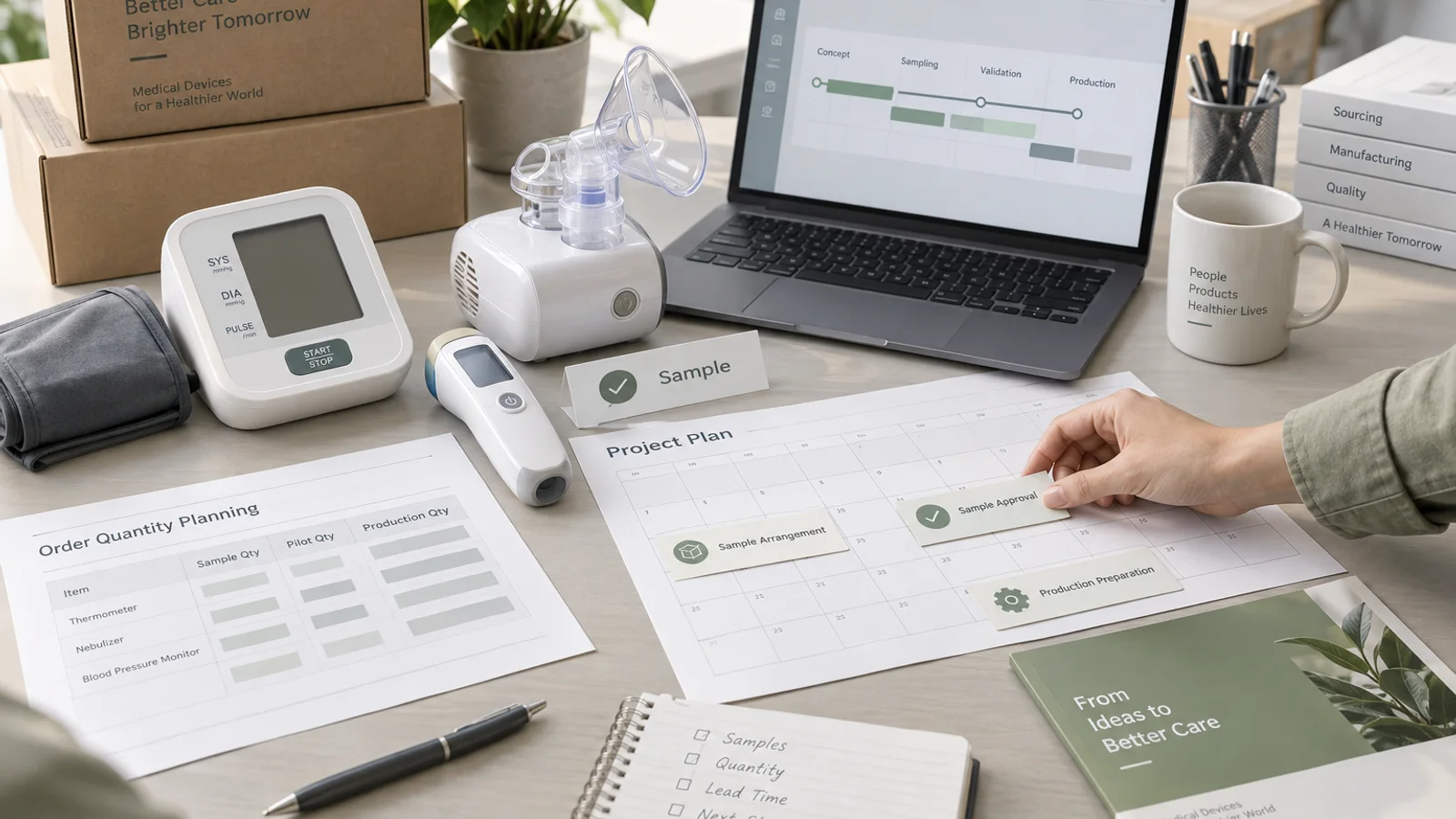
Treat The Sample As A Project Checkpoint
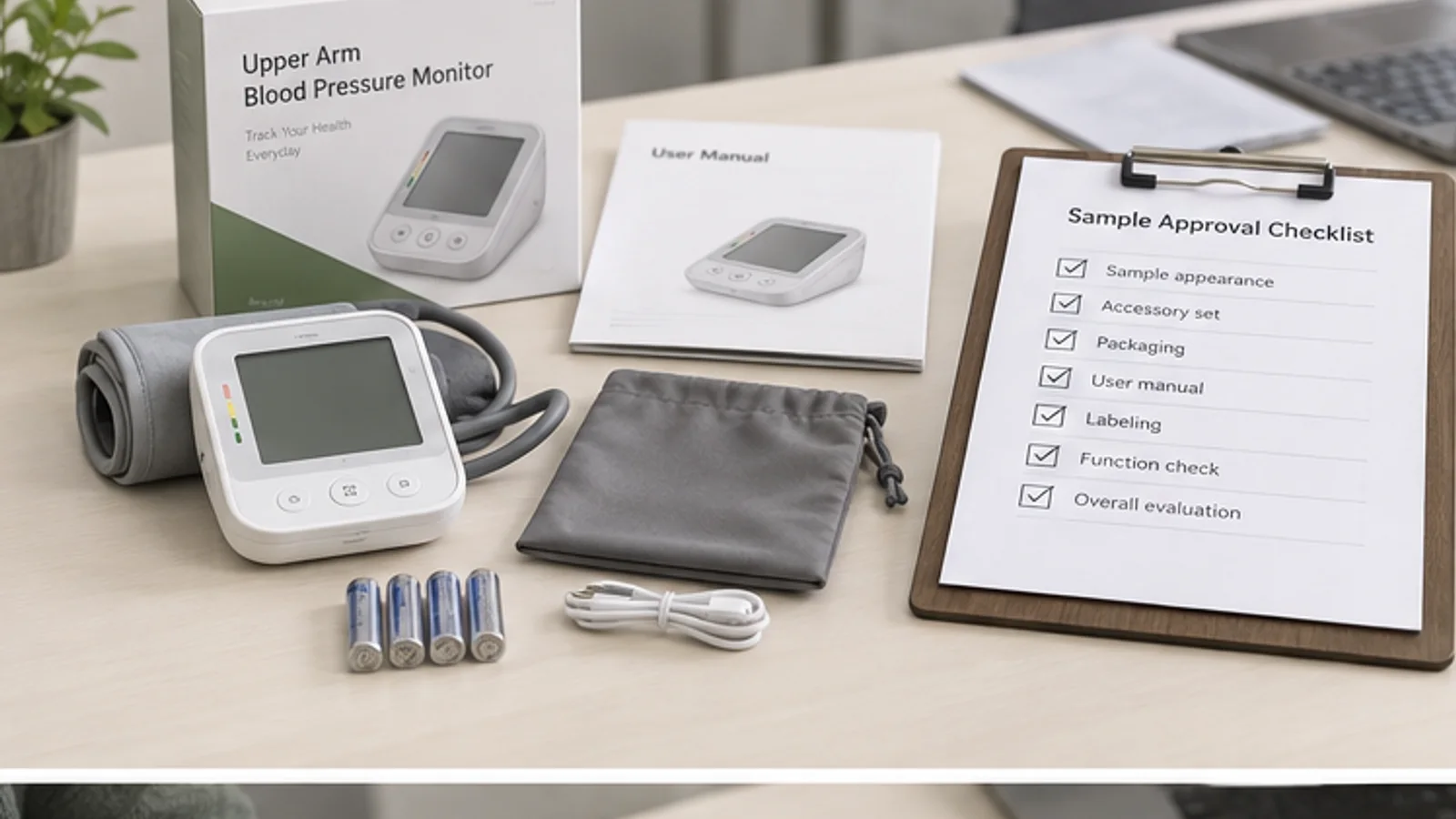
A medical device sample is not only a review point for the product body. It is a checkpoint where the buyer confirms whether the selected model, accessories, packaging direction, manual materials, labels and user workflow match the sourcing plan. If the sample is approved too quickly, unresolved issues may move into packaging or production preparation. If the sample review is too vague, the supplier may not know which changes are required. A structured sample review protects both sides from late corrections.
- Review product, accessory, packaging and document items together.
- Record sample comments in writing before approving the next stage.
- Separate visual preference from product function and document requirements.
Check The Product Against The Intended Use Scenario
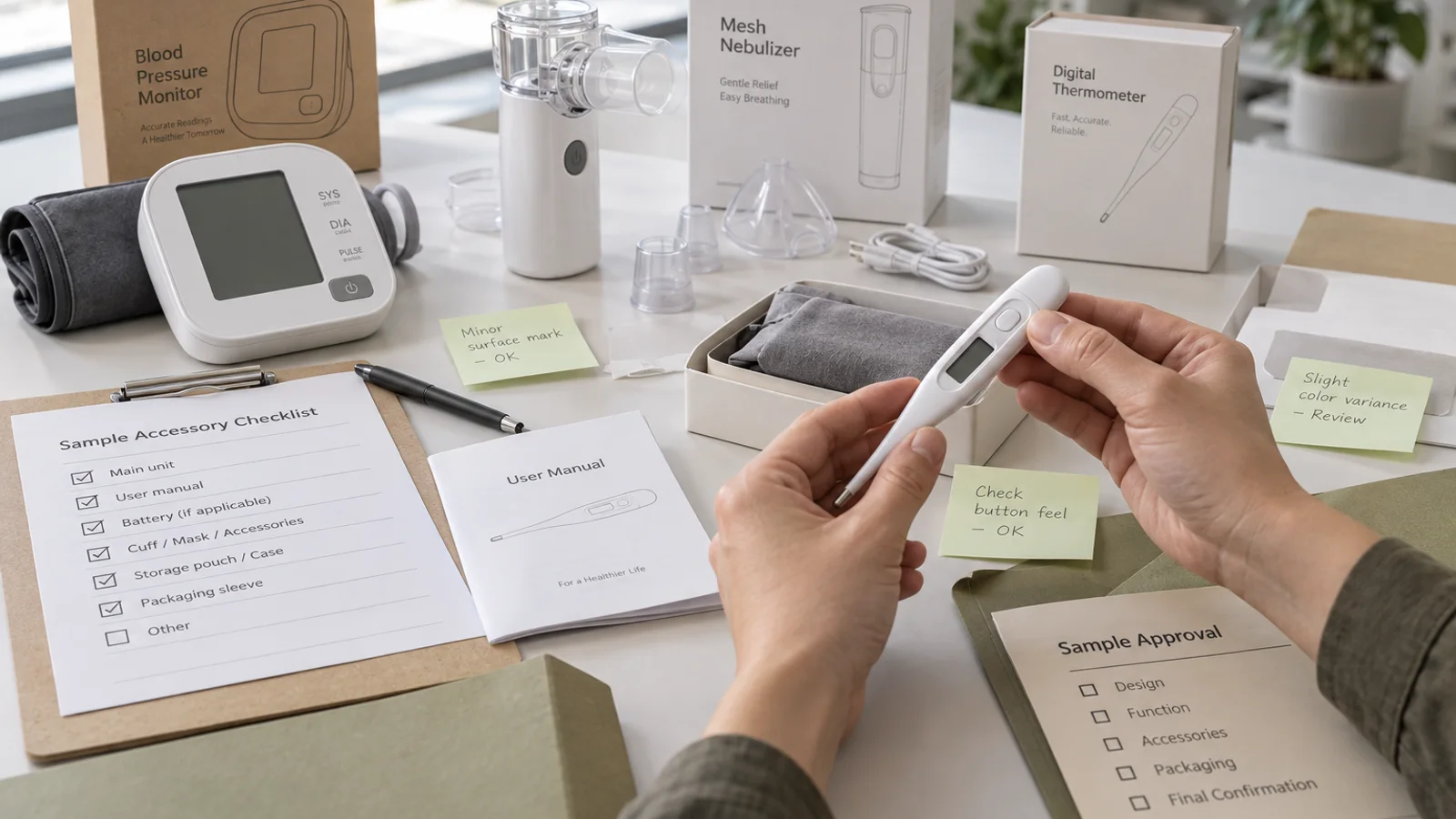
The buyer should check whether the product format fits the intended user and channel. For a blood pressure monitor, this may mean checking display readability, cuff handling, button layout and home-use instruction flow. For a nebulizer, it may involve the accessory package and cleaning guidance. For a thermometer, the buyer may review handling, packaging and user instructions. The goal is not to make medical claims in the sourcing article; it is to confirm that the product experience matches the channel expectation.
- Use the target customer scenario to guide sample review.
- Check whether instructions and accessories make the product easy to understand.
- Record any product-positioning concern before approving packaging.
| Checkpoint | What To Check | Buyer Decision |
|---|---|---|
| Product fit | Format, appearance, handling and user workflow | Does this product match the intended channel? |
| Accessory package | Cuff, mask, tubing, manual, cable or other included items | Does the package match the sales promise? |
| Packaging sample | Box structure, print clarity and product protection | Is the packaging ready for final artwork? |
| Manual and labels | Language, model references and essential information | Are documents ready for review or revision? |
| Approval notes | Open issues, responsible owner and next action | Can the project move to the next stage? |
Review Packaging And User Materials With The Sample
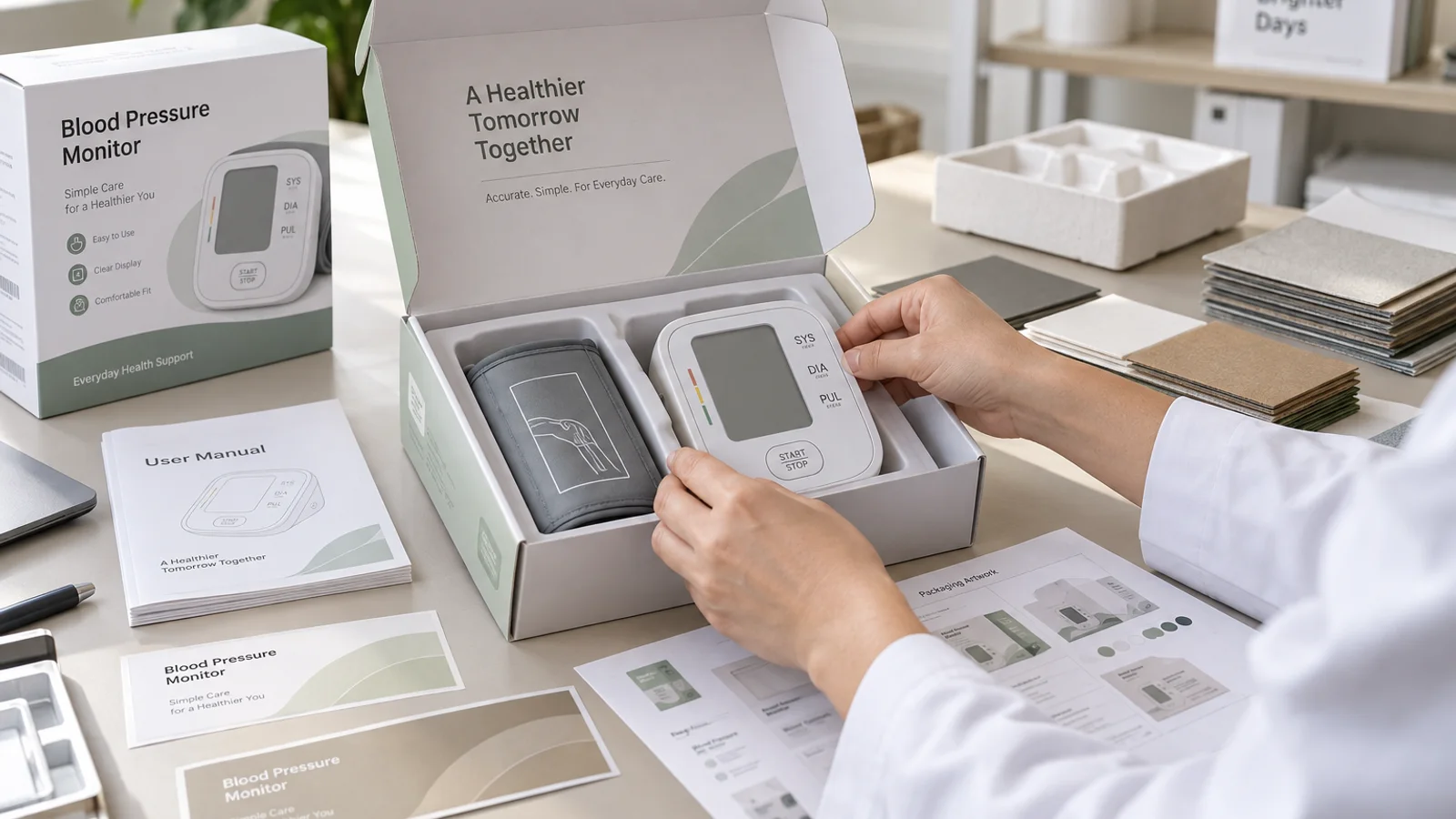
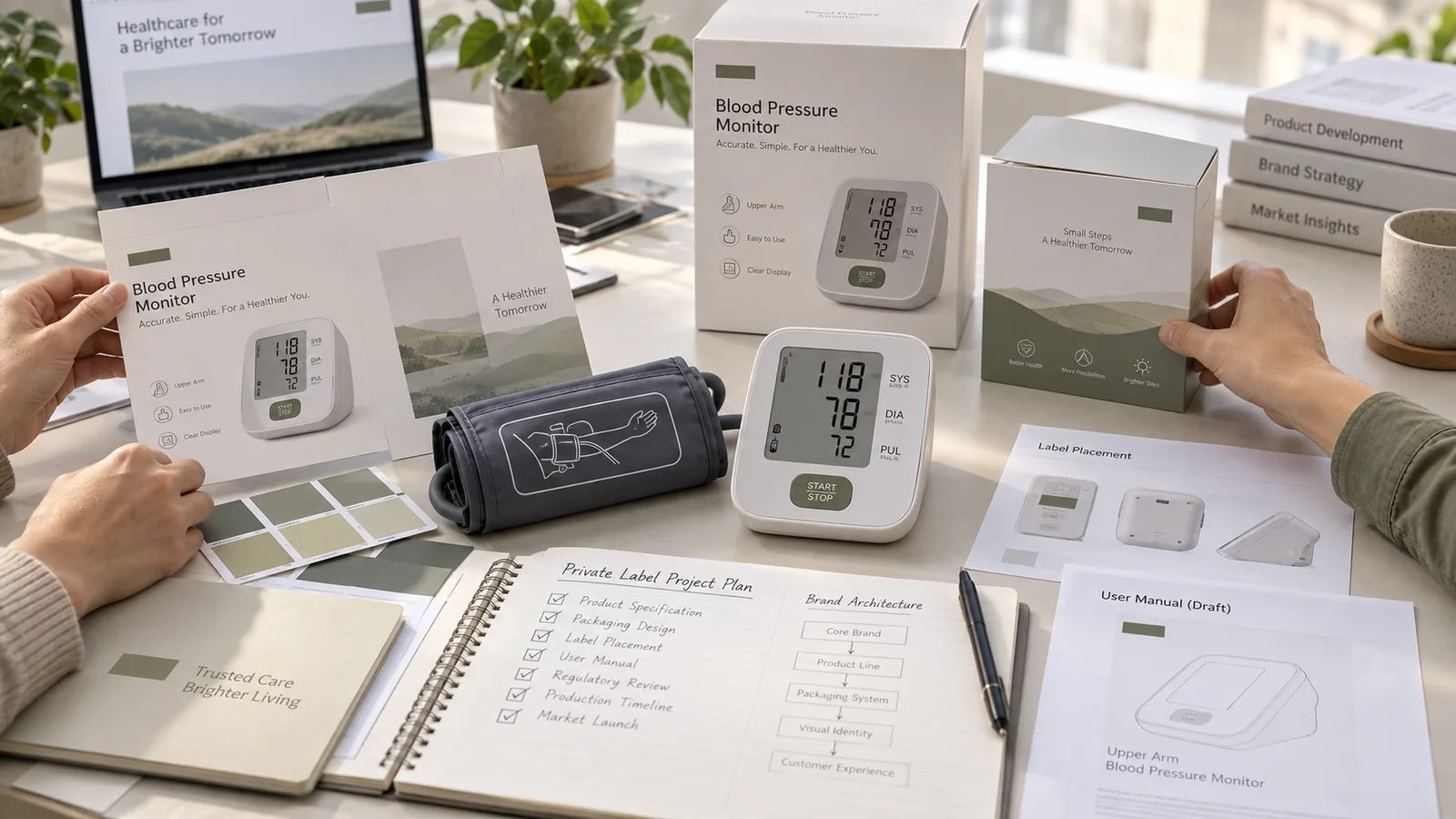
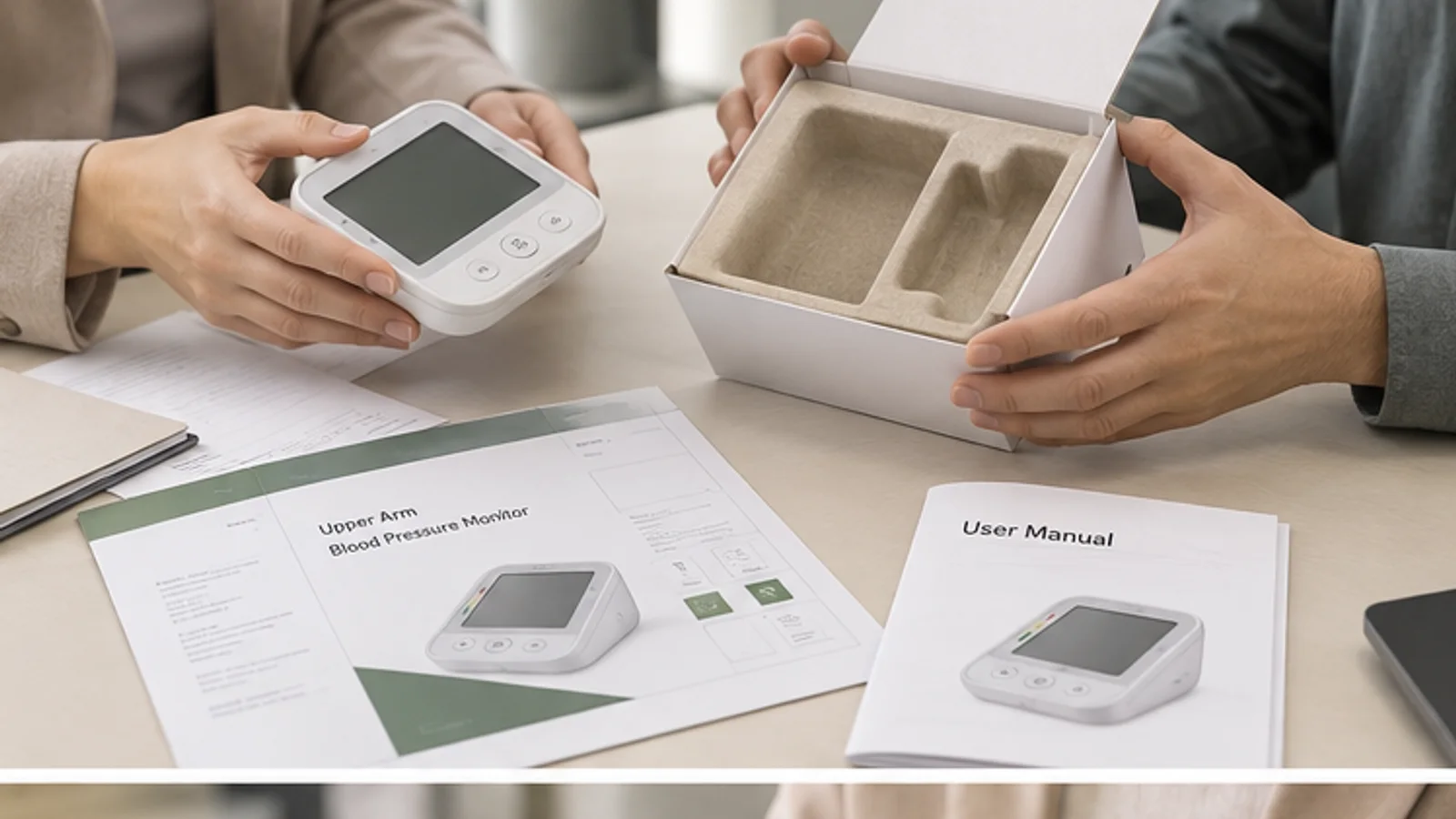
Packaging, labels and manuals should be reviewed while the physical sample is on the table. This makes it easier to catch mismatches between product appearance, accessory list, box photography, label information and instruction wording. Buyers should check whether the manual reflects the selected product, whether the packaging shows only confirmed items and whether labels leave enough room for required market information. Any unverified claim, mark or approval statement should stay out of the materials until confirmed.
- Compare the physical sample with packaging and manual materials.
- Check accessory lists and label wording against the selected model.
- Keep final packaging approval separate from early visual drafts.
Confirm Functional And Handling Questions
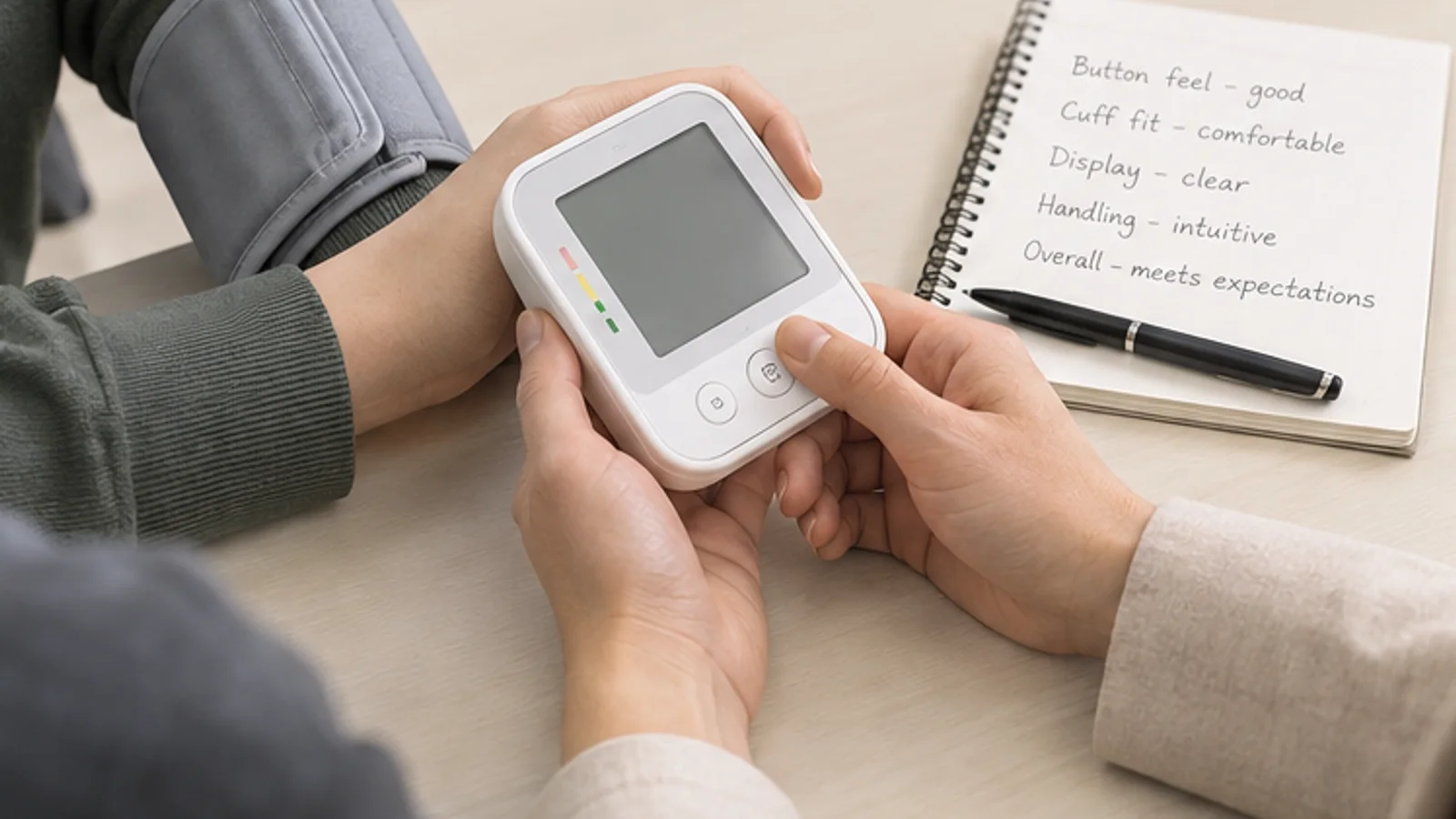
Sample review should include practical handling checks. Buyers can review buttons, display visibility, accessory connection, device setup, storage, cleaning instructions or other user steps relevant to the product category. If the buyer has specific requirements, those should be separated into confirmed needs and open feasibility questions. A sample should not be approved only because it looks acceptable in photos. It should support the buyer's real customer experience and project requirements.
- Check operation flow with the actual sample when possible.
- Separate functional requirements from packaging preferences.
- Use written comments for any issue that affects sample approval.
Document The Approval Clearly
A sample can be approved, approved with comments or rejected for revision. The buyer should avoid informal approvals that leave questions open. Each decision should state the product model, sample version, packaging status, document status, open changes and next action. This is especially important when purchasing, marketing, compliance and supplier teams are all involved. Clear approval records reduce confusion when the project moves into artwork release or production preparation.
- Record model, sample version and decision date in the project file.
- List any change request with responsible owner and expected next step.
- Do not treat verbal approval as final when documents remain open.
Move To Production Preparation Only After The Right Checks
After sample confirmation, the buyer can move into packaging finalization, document confirmation, quantity planning and production preparation. The supplier should understand what has been approved and what still needs review. For Linova-X projects, buyers can share sample feedback, packaging comments and document requirements with the team so the next step can be reviewed in a controlled way. A good sample process is not slow; it prevents the wrong work from moving forward.
- Approve the sample only after product, package and document checks are complete.
- Keep open market or compliance questions visible.
- Use the approved sample as the reference for production preparation.
Useful Links For Sourcing Review
FAQ
What is the purpose of sample confirmation?
It confirms whether product, accessories, packaging, manuals, labels and project requirements match the buyer's sourcing plan before the next stage.
Should packaging be checked during sample review?
Yes. Packaging and user materials should be checked with the physical sample so mismatches can be corrected early.
Can a sample be approved with open questions?
It can be approved with comments only if the open items are clearly recorded with responsible owners and next actions. Critical issues should be resolved before final approval.
What should buyers send after sample review?
Send written comments covering product fit, operation, accessories, packaging, labels, manual materials and any remaining document questions.