Start With A Product Platform That Fits The Channel
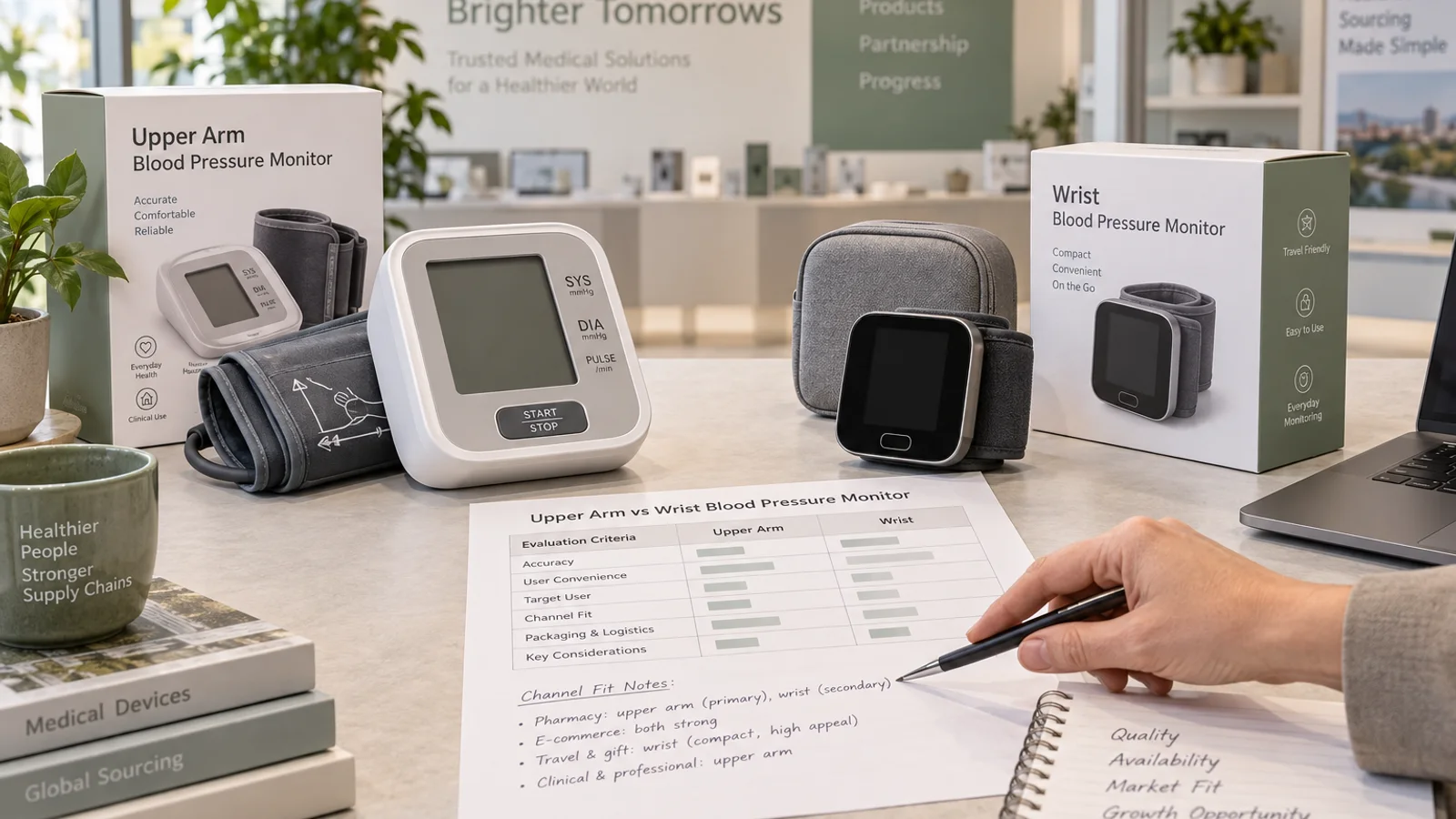
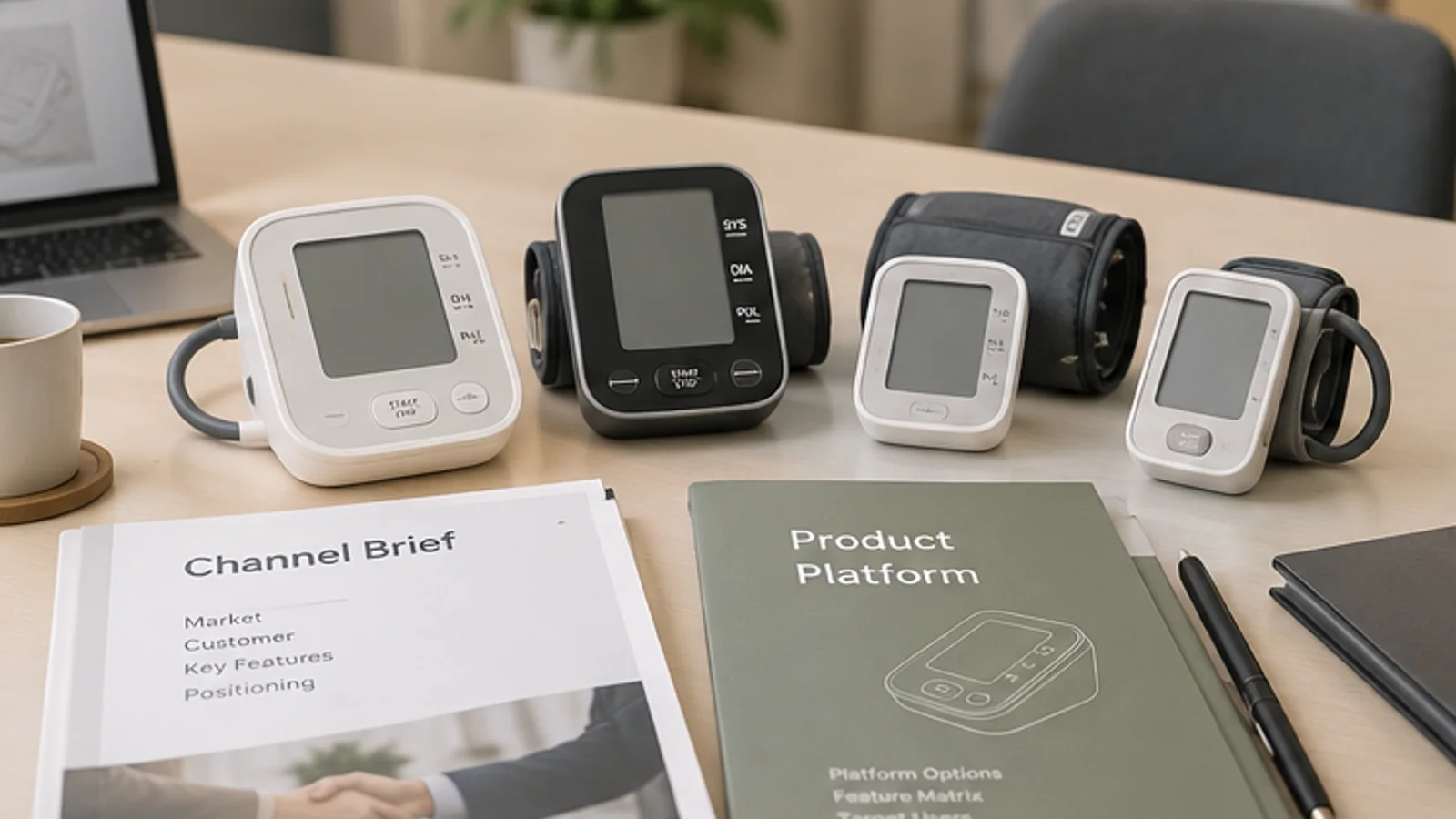
A private-label blood pressure monitor project should not begin with a logo request. The first decision is which product platform fits the buyer's sales channel, target user and support expectations. Upper-arm monitors, wrist monitors and compact formats can all serve different sourcing goals. The buyer should review product size, display readability, cuff or accessory package, user instructions, packaging space and documentation availability before locking in the brand presentation. Once the platform is clear, private-label work becomes much easier to control.
- Define whether the project is for pharmacy retail, distributor catalog, e-commerce or home-care program.
- Review product format and accessory package before artwork direction.
- Keep private-label expectations tied to the selected model platform.
Define Brand Materials Without Overextending The Project
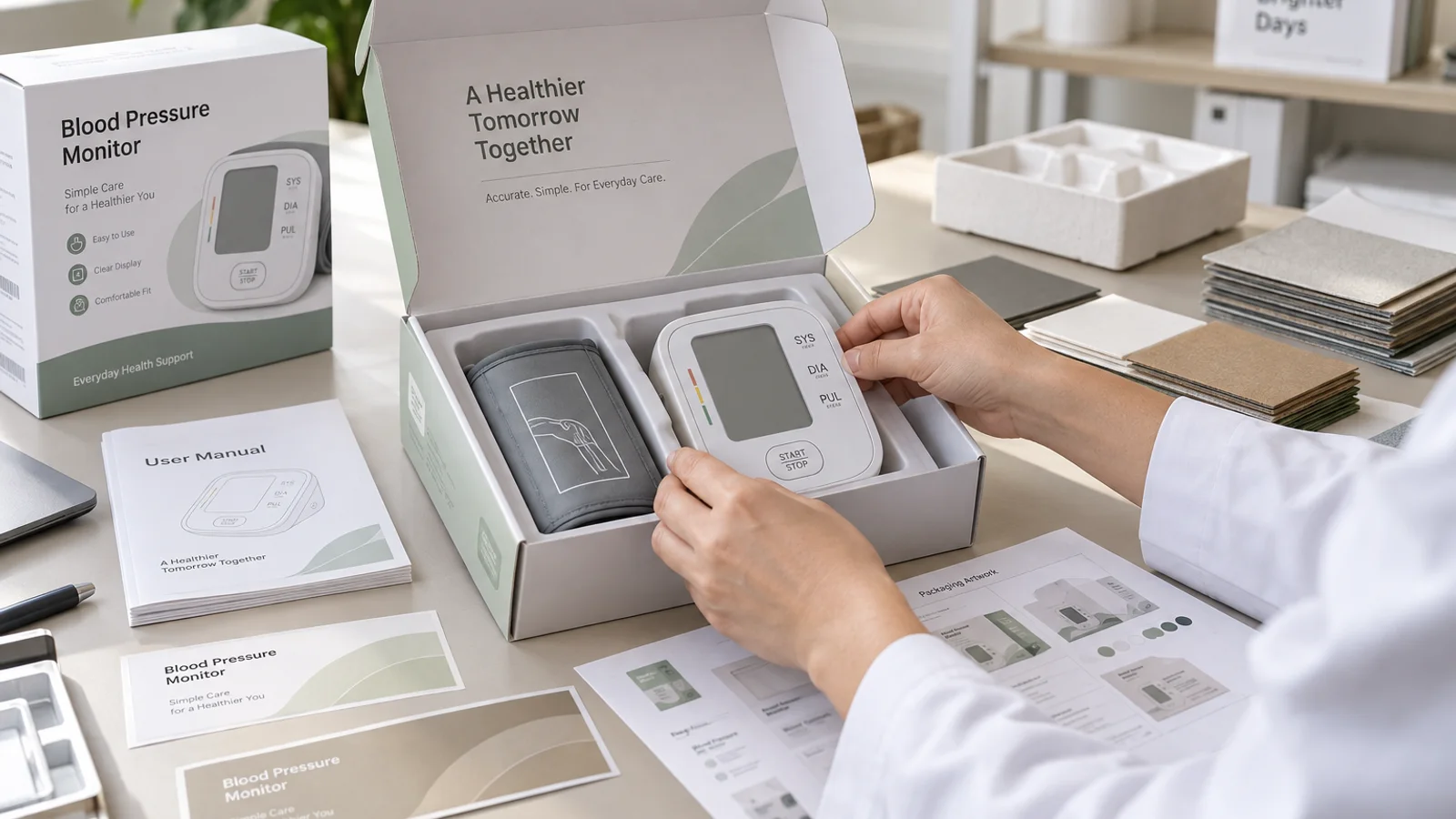
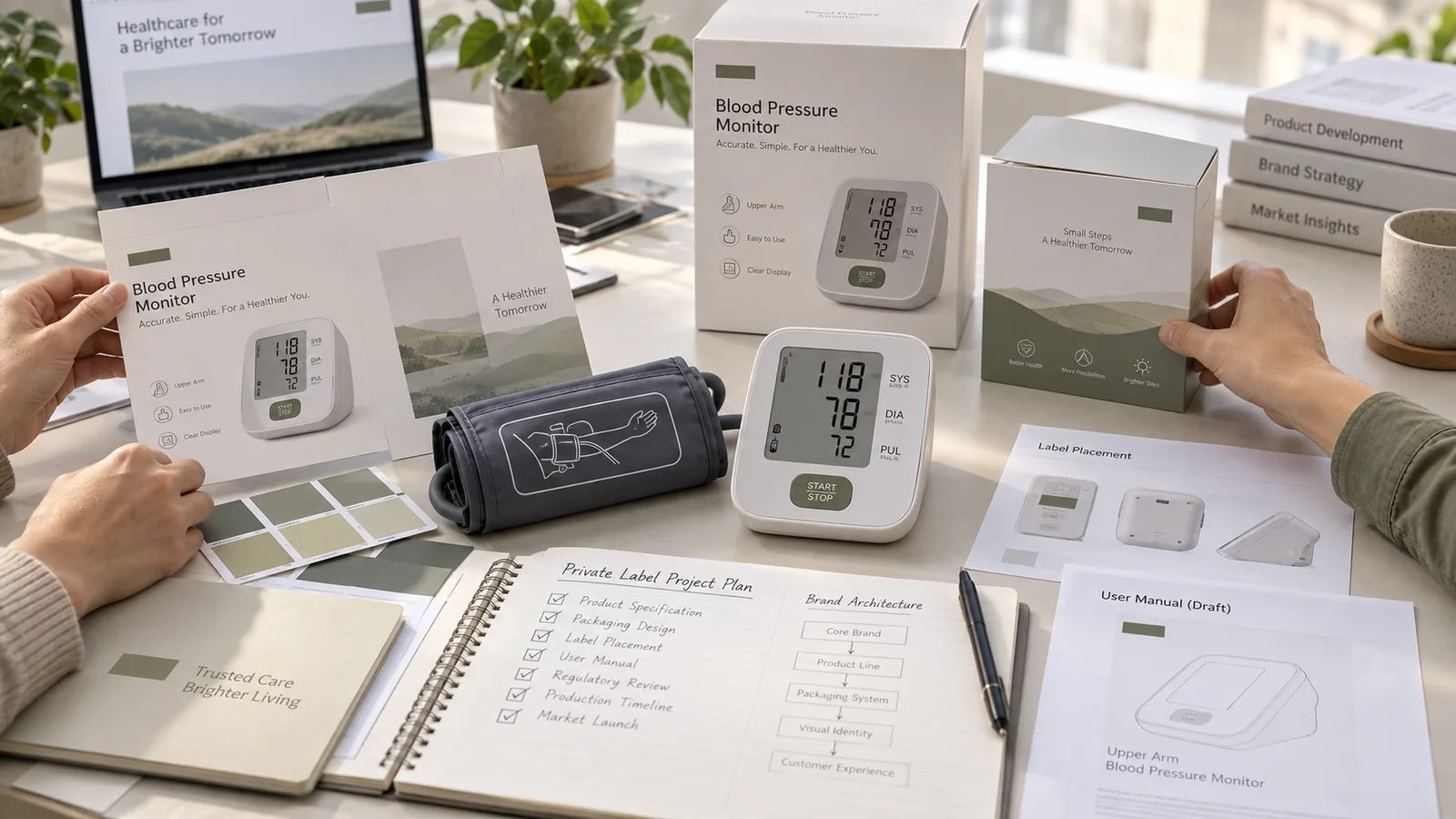
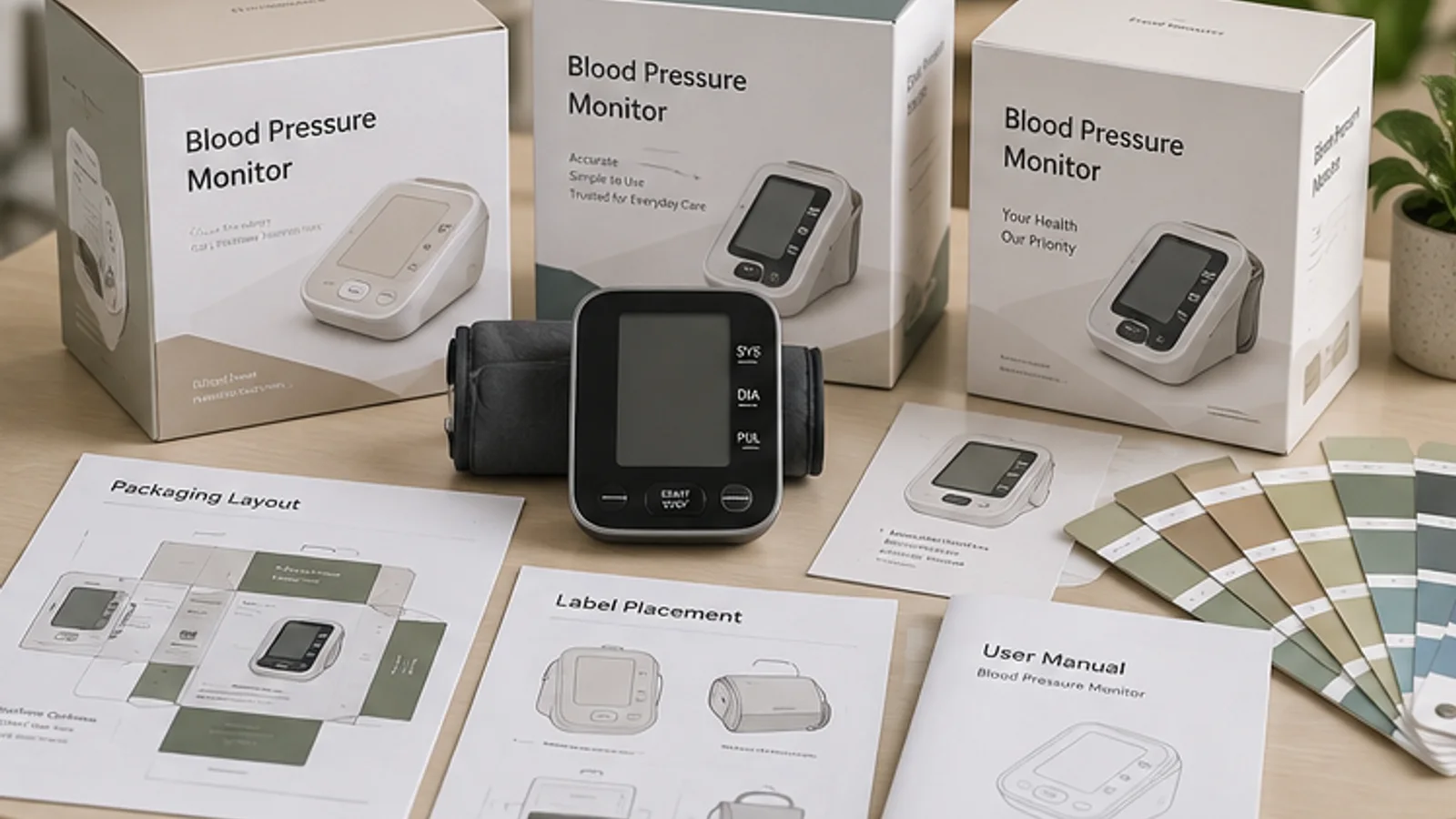
Private label usually covers visible brand materials such as box artwork, product label, manual language, carton information and sometimes color direction or accessory presentation. Buyers should confirm what is available for the exact product model before assuming deeper changes. A clear brand brief should include logo files, preferred color direction, target market language, channel presentation and any required document wording. If the buyer expects structural or functional changes, the project may need ODM review rather than simple private-label processing.
- Prepare logo, color references and packaging preferences before sample review.
- Confirm which visual changes are supported on the selected platform.
- Move structural or functional changes into ODM feasibility discussion.
| Planning Area | What To Prepare | Review Purpose |
|---|---|---|
| Product platform | Target format, user scenario, accessory expectations | Confirm the base product direction. |
| Brand materials | Logo, colors, product label, packaging direction | Build a controlled private-label review set. |
| Manual and labels | Language, model reference, importer information if required | Reduce late-stage document changes. |
| Sample approval | Product sample, packaging mockup, user material review | Confirm the project before production preparation. |
| Market review | Target region and document requirements | Keep claims and labels aligned with buyer responsibility. |
Use Sample Review To Confirm More Than Appearance
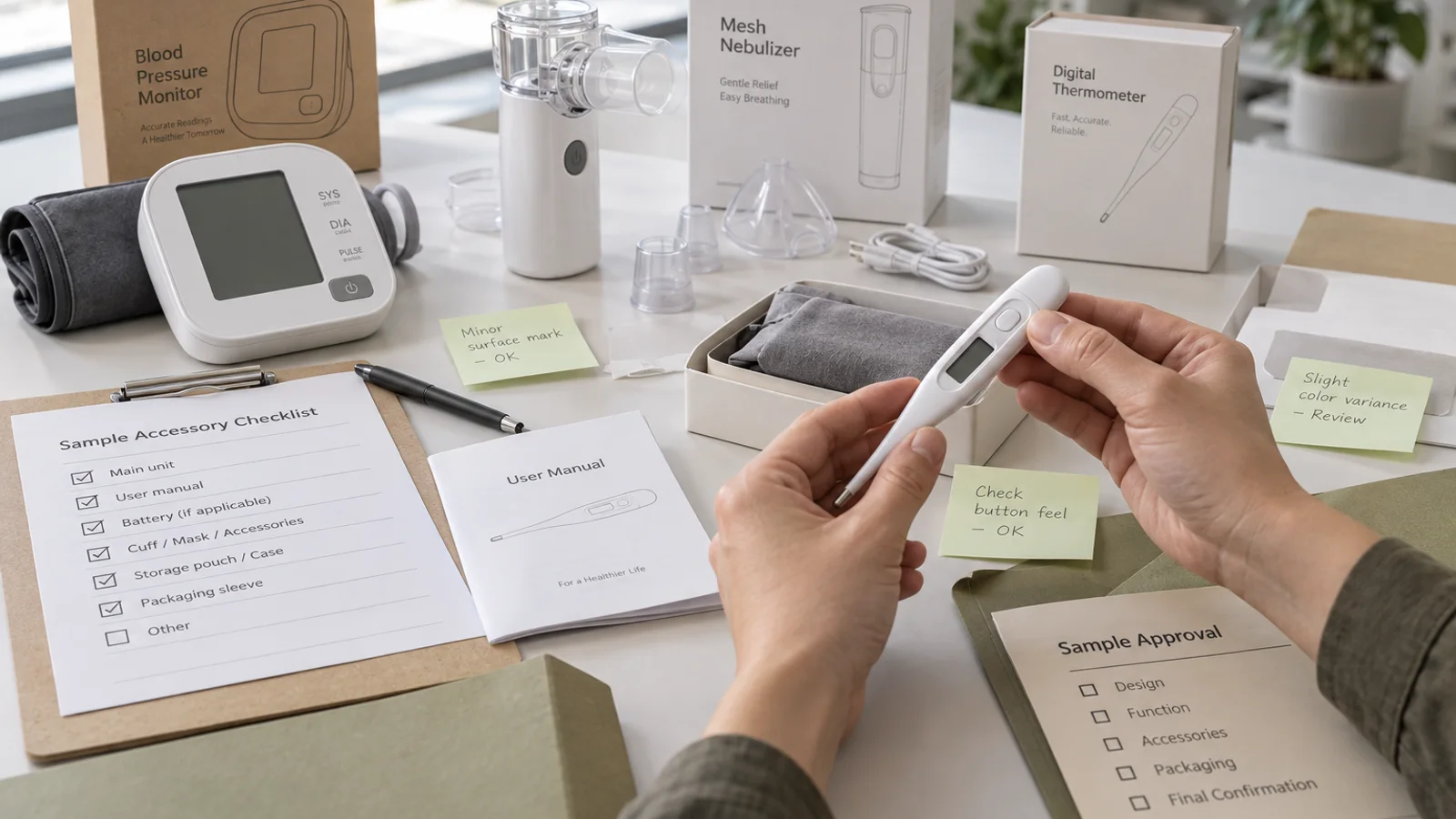
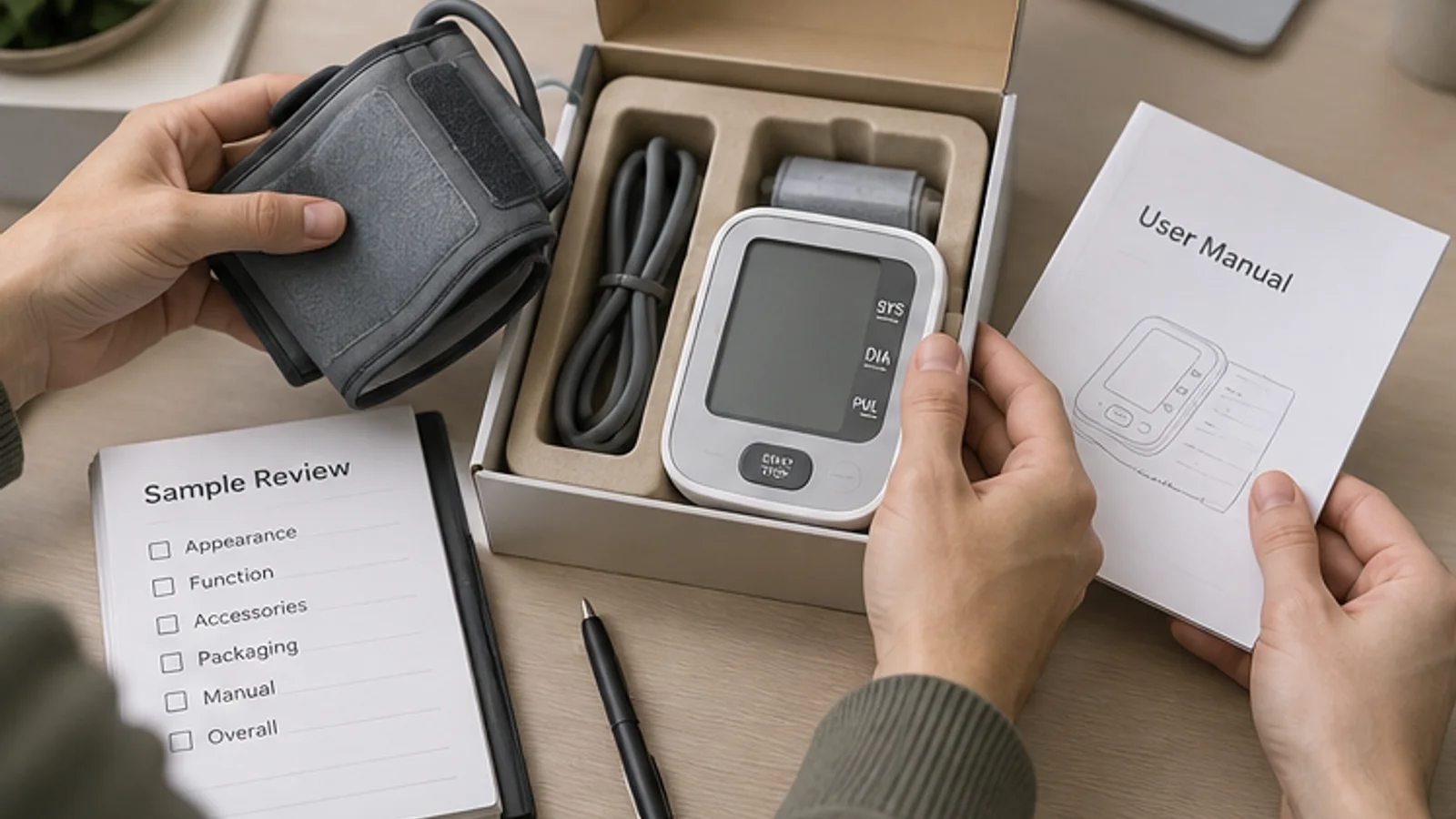
A private-label sample is not only a visual approval item. The buyer should check the device body, display readability, cuff or accessory package, operation flow, manual draft, label placement and packaging sample where applicable. If the product will be sold through e-commerce, the buyer should also consider product photography, unboxing sequence and customer support questions. If the product will be sold through distributors or pharmacies, retail presentation and document organization may matter more.
- Review sample operation and accessory package together.
- Check packaging and manual draft before final artwork approval.
- Record comments in a sample review log so revisions are traceable.
Keep Documentation In The Same Project Record
Document control is important because private-label projects can create multiple versions of packaging artwork, labels, manuals and sample notes. Buyers should keep all relevant files under one project record and avoid approving materials from separate email threads. The record should show the selected model, target market, agreed brand materials, open questions, sample status and document status. This discipline helps purchasing, compliance, marketing and supplier teams work from the same information.
- Use one source of truth for artwork, manuals, labels and sample notes.
- Mark open compliance or label questions clearly.
- Confirm document version before packaging preparation.
Plan The Workflow Around Buyer Decisions
A practical workflow is product platform review, brand material review, sample confirmation, document confirmation and production preparation. The buyer should decide who approves each step. Purchasing may approve model and quantity direction, marketing may approve packaging and product copy, compliance may review labels and manuals, and operations may review carton or shipment information. Clear decision ownership reduces late corrections and makes the supplier discussion more efficient.
- Assign approval roles for product, artwork, documents and sample comments.
- Do not move to final packaging until sample and document questions are resolved.
- Keep the workflow simple enough for the buyer's team to follow.
Prepare A Better Inquiry For Linova-X
The best private-label inquiry includes target market, preferred blood pressure monitor type, target user, estimated quantity direction, packaging expectation, manual language, logo files if available and document requirements. Linova-X can then review available product platforms and private-label materials by project scope. The final project plan should stay realistic: confirm what is available, what needs review and what depends on the selected model and market.
- Share product format, target market and brand direction together.
- List required documents before final packaging discussion.
- Use sample review as the formal checkpoint before production preparation.
Useful Links For Sourcing Review
FAQ
What is the first step in a private-label blood pressure monitor project?
The first step is selecting a product platform that fits the target market and channel. Branding and packaging should follow that decision.
Can every product detail be customized under private label?
No. Available private-label options depend on the selected model. Structural or functional changes may require ODM feasibility review.
What should be checked during sample approval?
Check product operation, accessory package, packaging sample, manual draft, label placement and any open document questions.
What should buyers prepare before contacting Linova-X?
Prepare target market, product format, channel, packaging direction, manual language, logo files if available and any required document list.