Avoid Asking For Fixed Numbers Too Early
MOQ, sample timing and lead time are important, but they are often misunderstood when buyers ask for fixed numbers before the project scope is clear. A supplier can only review timing and quantity responsibly after the product category, selected model, OEM scope, packaging requirements, document needs and destination expectations are known. This article avoids universal lead time or MOQ claims because those details depend on model, project scope, inventory status, customization depth and order confirmation process.
- Define product and OEM scope before asking for final timing.
- Separate sample timing from bulk order preparation.
- Treat quantity and lead time as project review items, not fixed article promises.
Plan Samples As Decision Tools
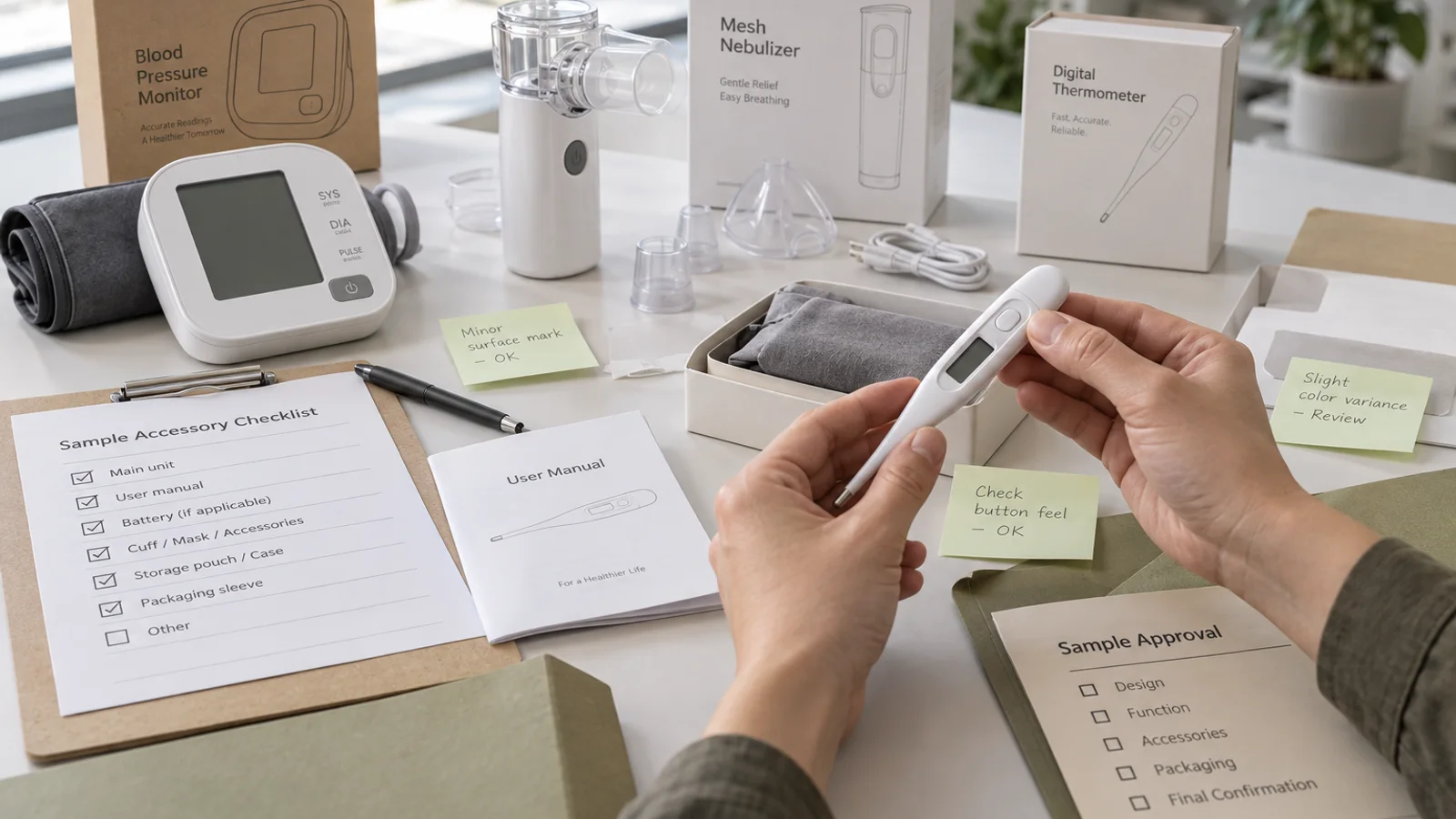
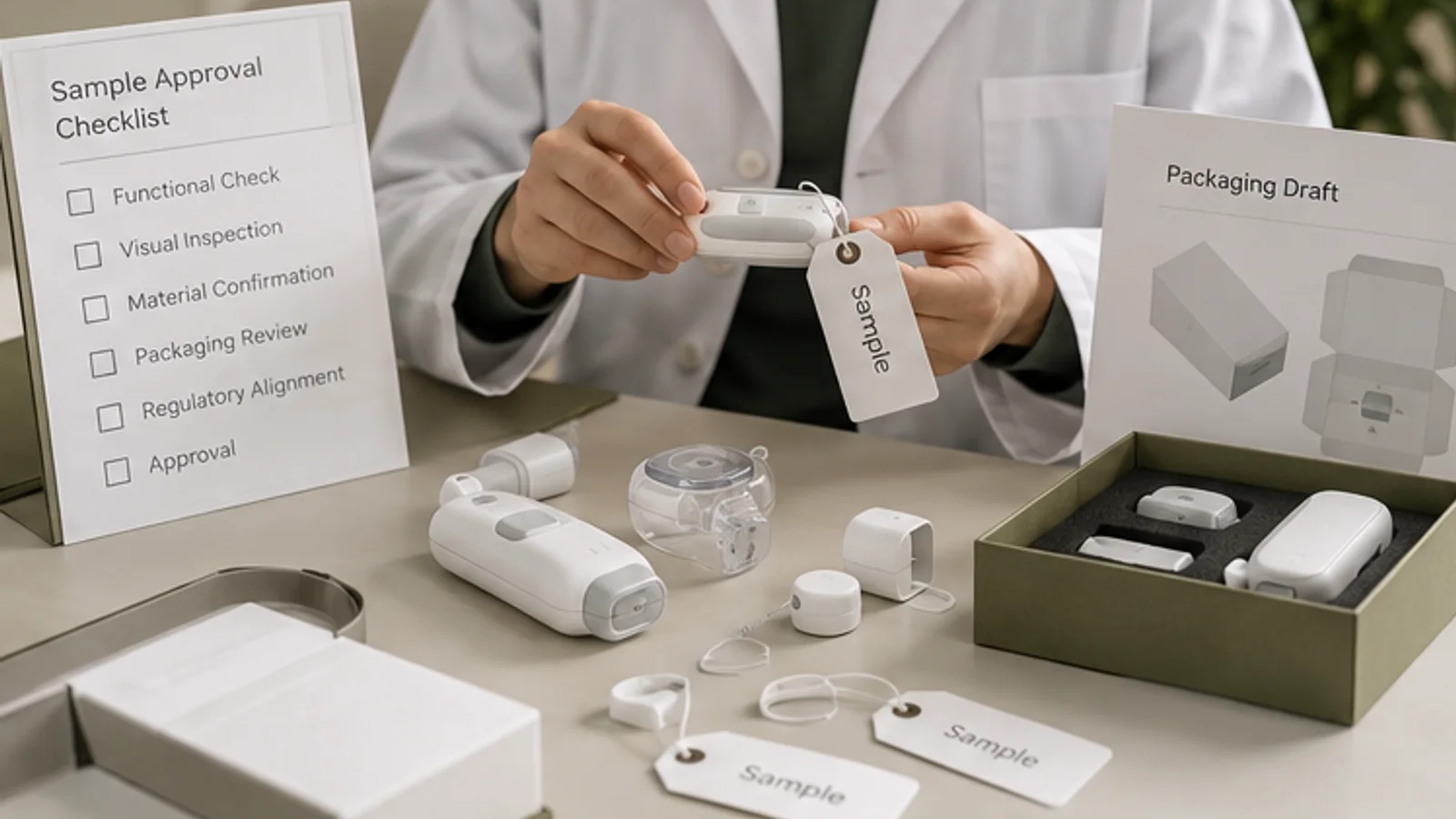
Samples should help the buyer make decisions about product fit, packaging, accessories, manual clarity, label placement and channel presentation. A sample order is not only a small purchase. It is the buyer's first controlled review of the product platform and supplier workflow. For medical device sourcing, sample feedback should be recorded carefully and connected to artwork, documentation and quantity planning. If the buyer changes product direction after sample review, timing and cost discussion may need to restart.
- Use samples to confirm product format, accessory package and user workflow.
- Review packaging and manual materials when available for the selected model.
- Document sample comments before moving to bulk order discussion.
| Stage | Buyer Should Confirm | Why It Affects Timing |
|---|---|---|
| Product review | Category, model direction and target market | The supplier needs a defined platform before timing can be reviewed. |
| Sample review | Sample type, packaging scope and document needs | Sample preparation changes when branding or documents are included. |
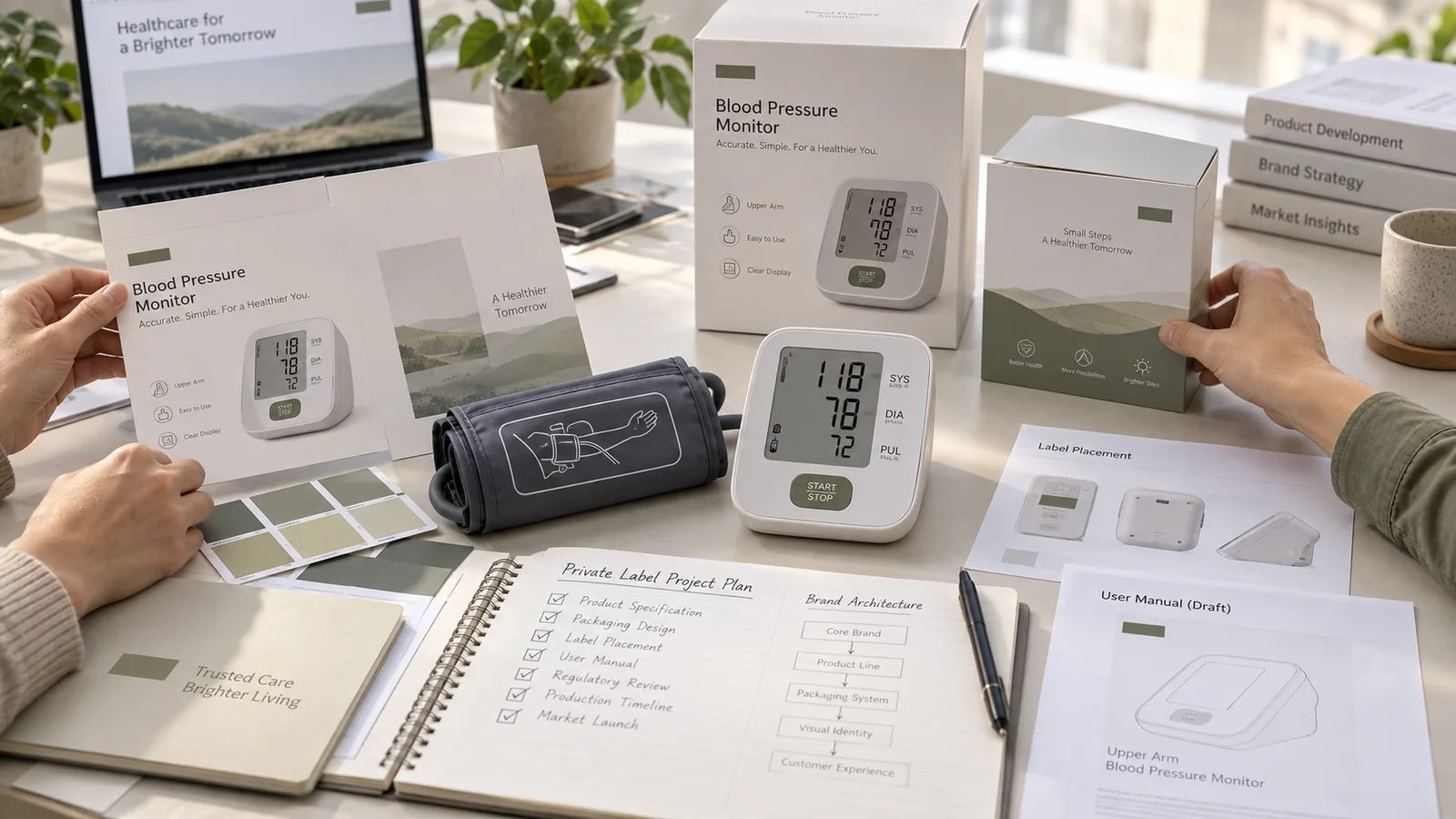
| Artwork approval | Box, label, manual and carton files | Late artwork changes can affect production preparation. |
| Order planning | Quantity direction and delivery expectation | Procurement planning depends on confirmed project scope. |
| Shipment preparation | Packing information and required shipment documents | Export handling depends on order and destination requirements. |
Discuss Quantity As A Business Signal
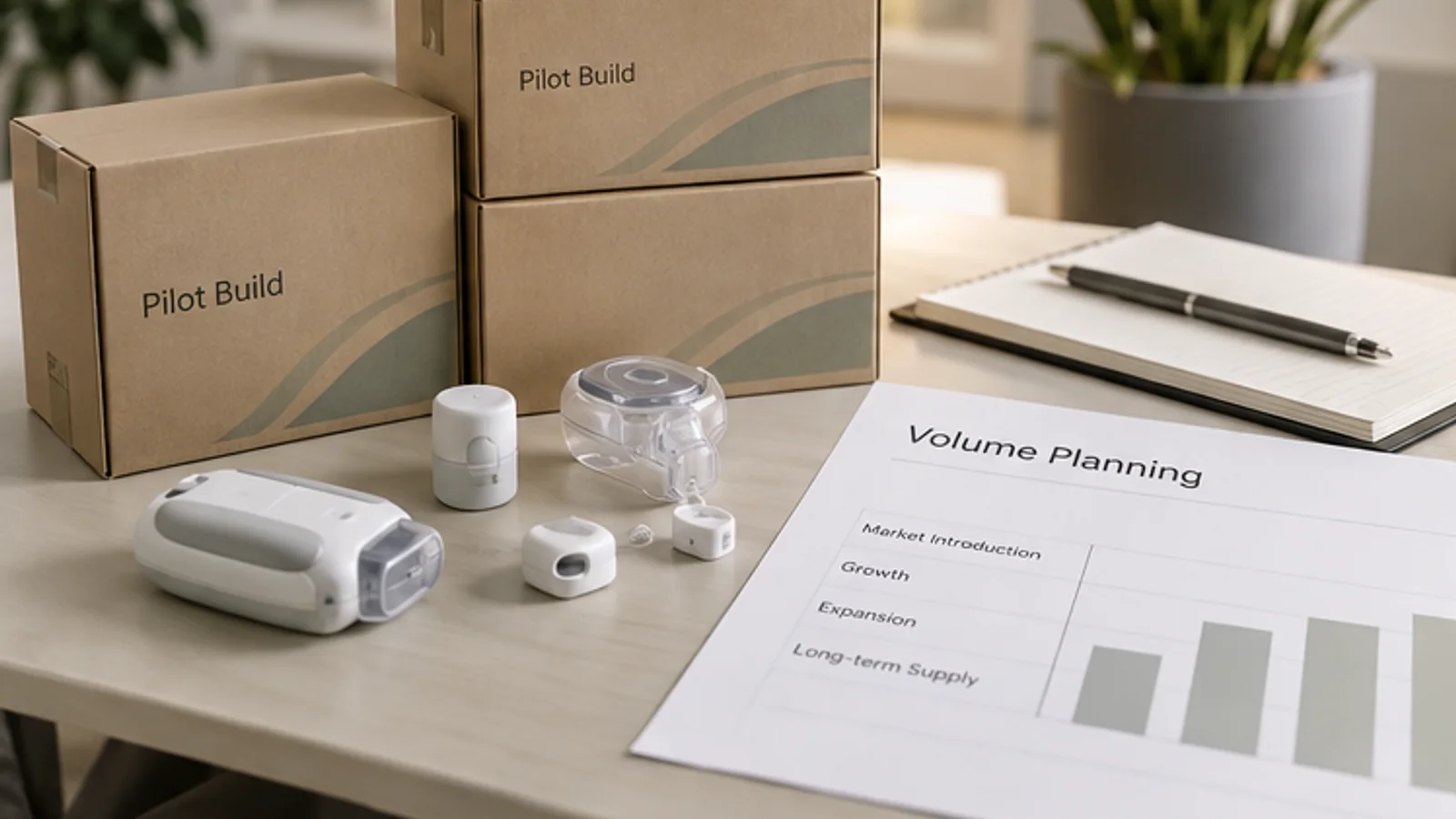
Estimated quantity helps the supplier understand project seriousness, packaging planning and replenishment direction. It should not be used only to push for the lowest price. A realistic quantity plan explains whether the buyer is piloting a channel, launching a private-label range, supporting a distributor contract or preparing repeat supply. This lets the supplier review packaging preparation, sample scope, production planning and document priorities. If the buyer is uncertain, it is better to share a range and explain the sales scenario than to provide an artificial number.
- Explain whether the order is a trial, launch or repeat-supply project.
- Use quantity range when final purchase volume is not yet confirmed.
- Connect quantity discussion to packaging, documents and replenishment planning.
Lead Time Depends On More Than Production
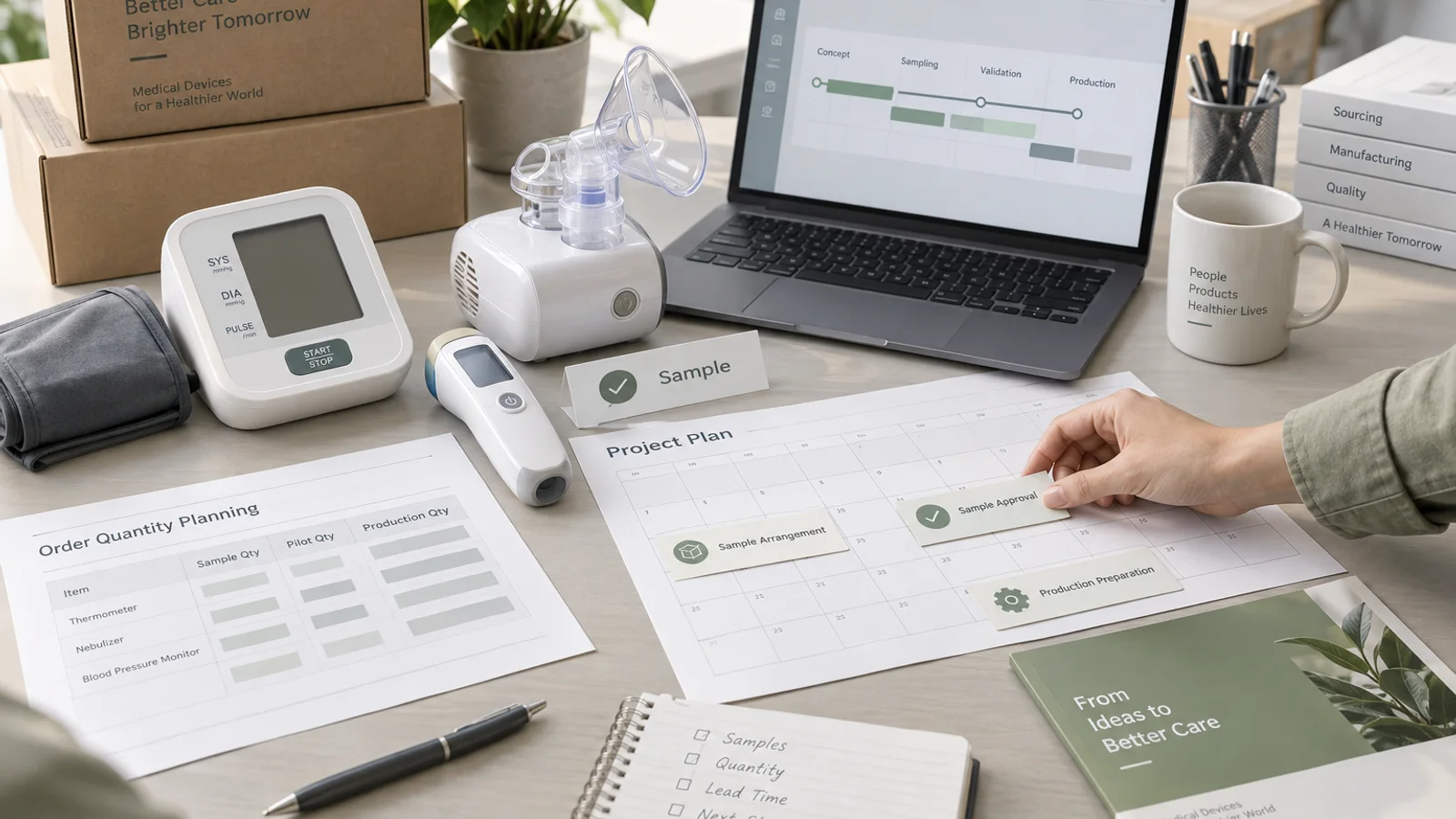
Lead time can be affected by sample confirmation, artwork review, material availability, document preparation, production scheduling, inspection and shipment preparation. For customized projects, buyer response time can be just as important as supplier preparation. A packaging revision, label question or missing document can slow a project even when the product platform is ready. Buyers should therefore create a timeline with checkpoints rather than relying on one date at the start of the conversation.
- Build checkpoints for sample comments, artwork approval and document confirmation.
- Keep packaging and labeling review ahead of production preparation.
- Confirm shipment documentation and carton details before final dispatch planning.
How To Ask Suppliers Better Timing Questions
A better timing question is specific: for this product category, this model direction, this target market, this packaging scope and this document requirement, what steps need to be reviewed before sample or bulk production? This format gives the supplier enough context to explain dependencies. It also helps the buyer see which decisions are under buyer control, such as artwork approval, sample feedback and document confirmation.
- Ask timing by stage instead of asking for one universal lead time.
- List what is standard, what is customized and what remains under review.
- Confirm who approves each checkpoint inside the buyer organization.
Use A Project Brief To Keep Planning Realistic
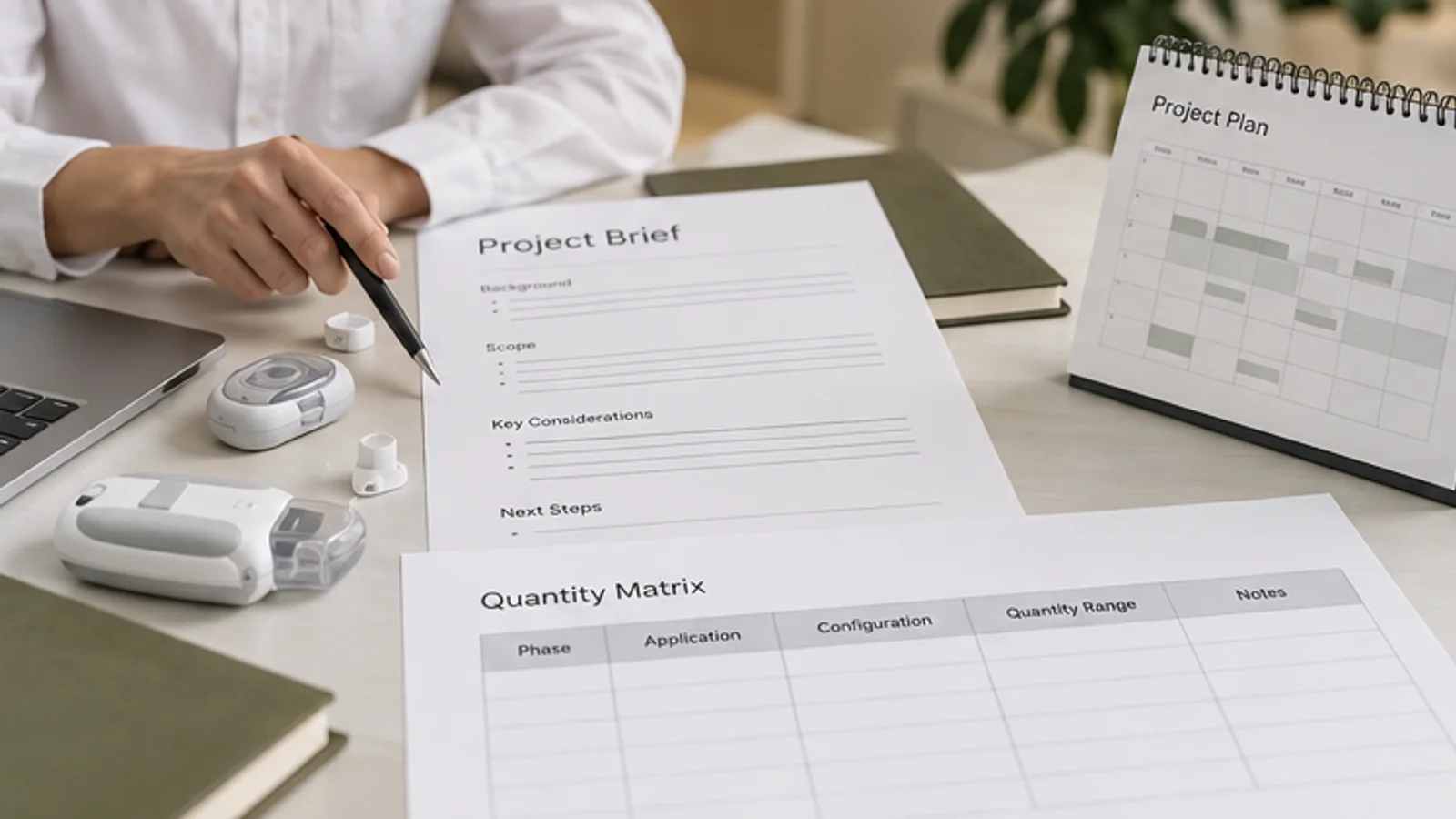
For Linova-X OEM projects, buyers can prepare a brief with product category, model direction, target market, estimated quantity, sample needs, packaging expectations, manual language and required documents. The team can then review available product platforms and project steps. This approach keeps MOQ, sample and lead time discussions grounded in real scope and avoids unverified promises.
- Prepare a concise brief before requesting final timing.
- Use sample review to confirm the sourcing direction.
- Treat lead time as a project plan that depends on confirmed decisions.
Useful Links For Sourcing Review
FAQ
Why does this guide avoid fixed MOQ and lead time numbers?
MOQ and lead time depend on model, customization scope, document requirements, inventory status and order confirmation. They should be reviewed by project.
What should buyers check during sample review?
Check product fit, operation flow, accessory package, packaging sample, manual draft, label placement and document questions.
How should buyers discuss estimated quantity?
Explain whether the quantity supports a trial, launch, distributor project or repeat supply plan. A realistic range is better than an artificial number.
What information helps Linova-X review timing?
Product category, model direction, target market, sample needs, packaging scope, estimated quantity and required documents help define the review path.