
Document Review Starts With The Product Model
Import document review should not begin with a broad request for every certificate a supplier has. Buyers get better results when they identify the exact product category, model direction and target market first. A blood pressure monitor, nebulizer, thermometer, medical air mattress or body scale can involve different product files, label materials, manuals and market questions. The supplier can organize available documents for the selected product, while the buyer confirms which documents are required by its importer, compliance consultant or local channel.
- Tie every document request to a product model and market.
- Separate company-level quality documents from product-level materials.
- Avoid using generic certificate language as a substitute for project review.

Separate The Main Document Groups
A practical import review usually includes several groups of materials: product information, user-facing documents, company or factory documentation, quality or inspection materials and shipment-related files. Not every project needs every document in the same depth, and this article should not be treated as legal advice. The point is to give buyers a structure for discussion so document gaps, market questions and sourcing responsibilities can be identified early.
- Product information helps the buyer understand model scope and product presentation.
- User-facing documents include manuals, labels and packaging materials.
- Quality and shipment documents should be reviewed according to the confirmed order and destination requirements.
| Document Group | Examples To Discuss | Buyer Review Purpose |
|---|---|---|
| Product file | Model information, product photos, product description, accessory list | Confirm what is being sourced and how it will be presented. |
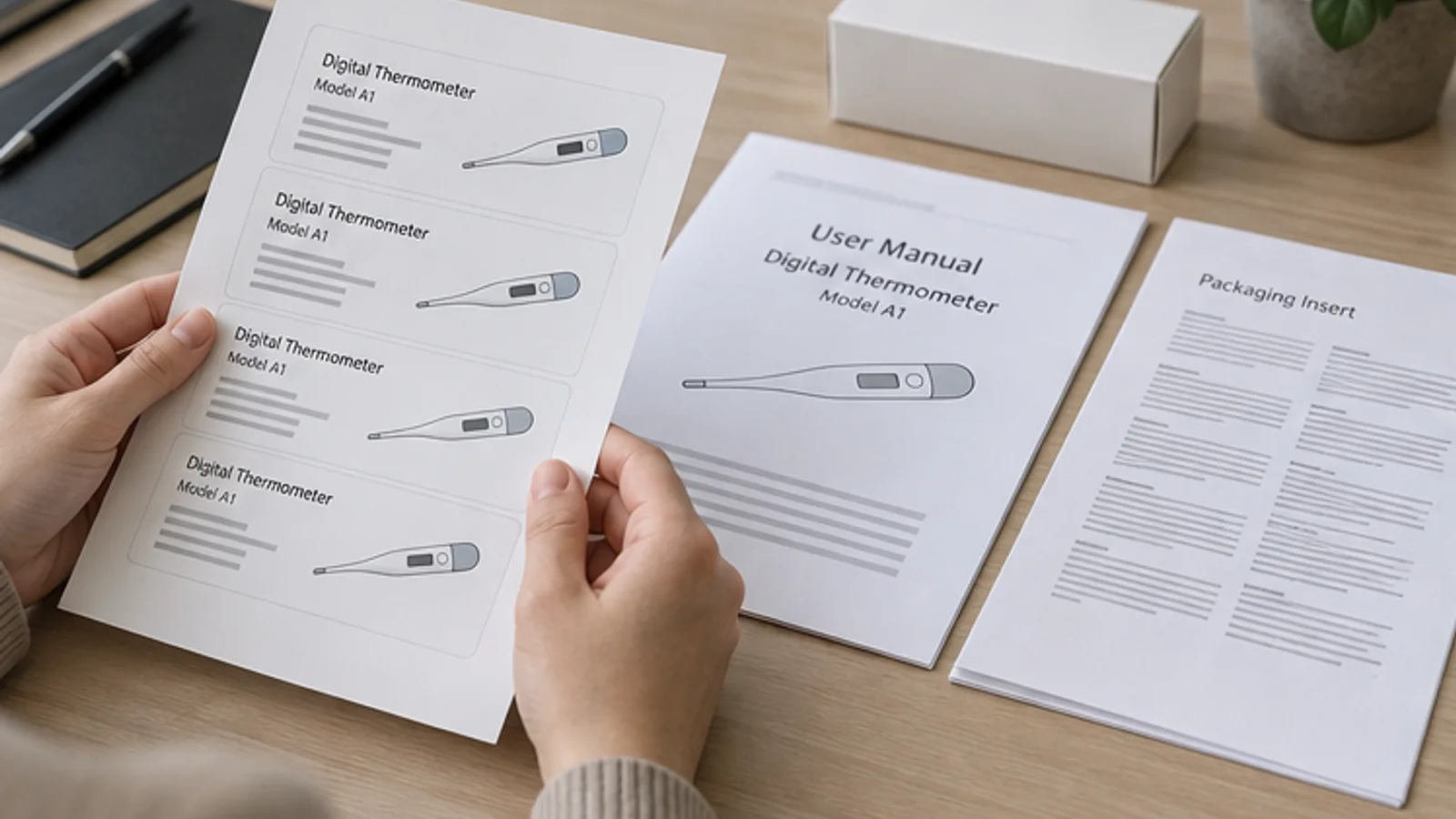
| Labeling materials | User manual, product label, packaging artwork, carton information | Review market language and customer-facing information. |
| Quality materials | Available quality-system documents, inspection records, validation materials | Support sourcing and supplier review with model-specific evidence. |
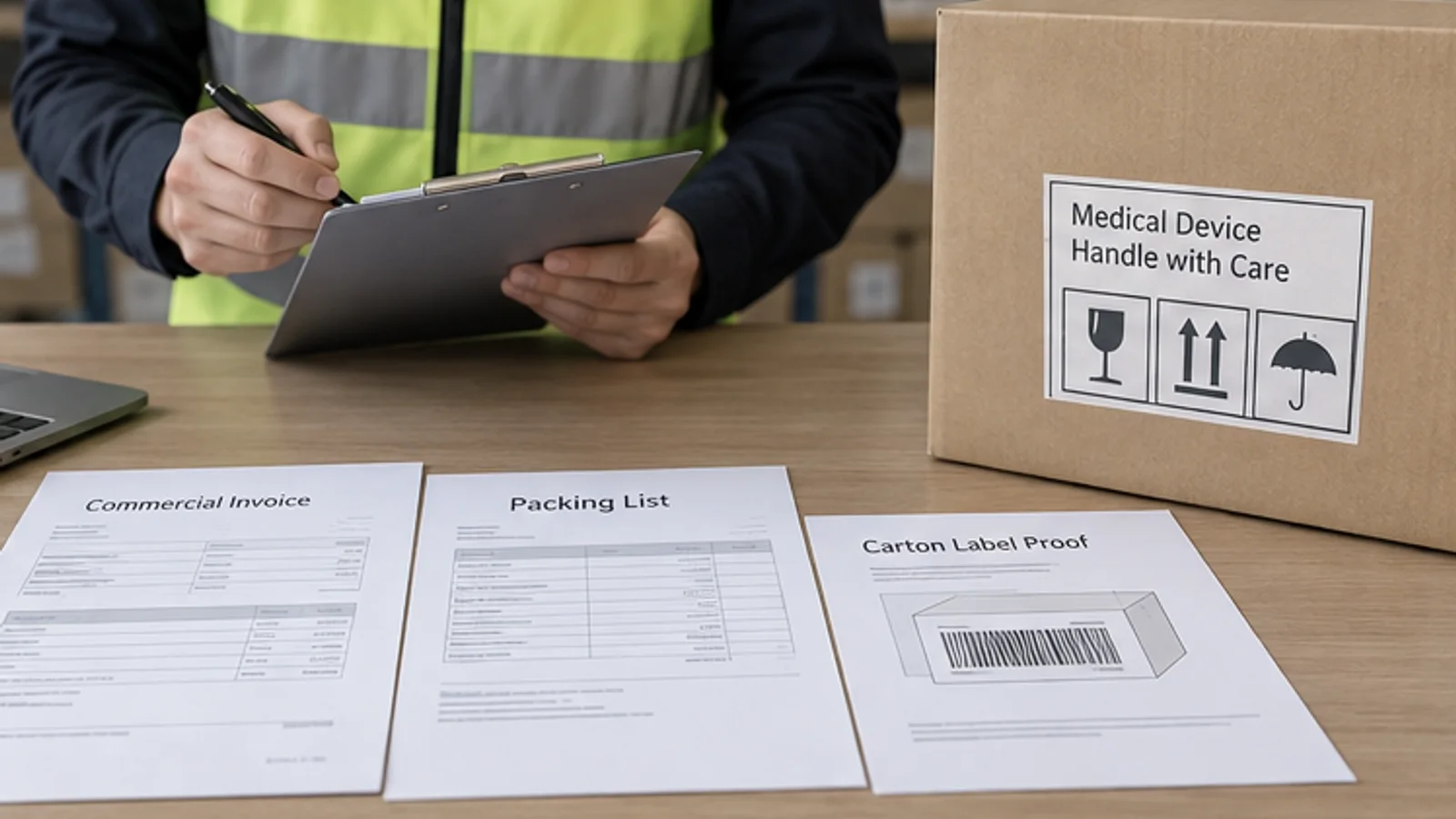
| Shipment files | Commercial documents, packing information, logistics records | Prepare order handling and importer documentation. |
| Market-specific records | Documents requested by importer or local consultant | Confirm requirements by product, market and project scope. |
Review Labels And Manuals As Early As Possible
Labels and manuals are often treated as late-stage packaging tasks, but they can affect import review and customer confidence. Buyers should check product name, model reference, accessory description, safety wording, instruction flow and language requirements before final artwork approval. Any market-specific wording, claim, symbol or importer information should be confirmed through the buyer's local process. A supplier can support document organization, but the buyer should not ask the supplier to invent market approvals or regulatory statements that have not been confirmed.
- Create a controlled review copy of the manual and label materials.
- Check whether accessory and model references match the selected product.
- Use neutral wording when regulatory or market requirements are still under review.
Do Not Mix Company Evidence With Product Approval
Company-level quality-system materials, factory information and manufacturing evidence can help a buyer review a supplier, but they do not automatically prove that a specific model is approved for every market. Product-level certificates, validation materials and label documents should be reviewed separately. This distinction protects the buyer from relying on broad statements and helps the supplier answer accurately. If the target market requires additional registration, importer review or local documentation, that should be handled as a specific project item.
- Use company documents to understand supplier organization and quality workflow.
- Use product documents to review the selected model.
- Use market-specific requirements to define what must be confirmed before import.
Build A Document Request That Suppliers Can Answer
A clear document request saves time for both buyer and supplier. Instead of asking for all documents, list the target market, product category, model direction, expected sales channel and document names requested by your importer or buyer team. Mark which files are required before quotation, before sample order, before artwork approval and before shipment. This sequence helps the supplier provide available materials at the right time and identify items that need project confirmation.
- Use a staged document list rather than one broad file request.
- Indicate which documents are required by your importer, retailer or compliance consultant.
- Confirm whether document language, label content or packaging artwork needs review.
Use Documentation To Improve The Sourcing Decision
Document review should make the sourcing decision clearer, not heavier. Buyers can use documents to confirm product identity, packaging readiness, quality workflow and market discussion points. When open questions remain, they should be recorded and resolved before final approval. For Linova-X projects, buyers can share their target market and document list with the team so available product materials, quality documentation and labeling materials can be reviewed according to project scope.
- Keep the document review tied to product selection and target market.
- Record open questions instead of hiding them inside email threads.
- Use confirmed documents to support quotation, sample and packaging decisions.
Useful Links For Sourcing Review
FAQ
Can a supplier provide one document package for every country?
Buyers should not assume this. Document needs depend on the product model, target market, importer requirements and project scope.
Are company-level documents the same as product certificates?
No. Company-level quality materials support supplier review, while product-level documents relate to a selected product model and should be reviewed separately.
When should label and manual materials be checked?
They should be reviewed before packaging approval so market language, accessory references and product information can be corrected early.
What should buyers send to Linova-X for a document review?
Send the target market, product category, selected model if available, sales channel and any document list requested by your importer or buyer team.