Compare Use Case Before Comparing Product Type
Compressor and mesh nebulizers can serve different sourcing roles even when both appear in the same respiratory-care category. A compressor nebulizer is often reviewed as a stable home-use product platform for family care, pharmacy retail and distributor catalogs. A mesh nebulizer may be considered when compact size, portability and quieter presentation are important to the channel. The sourcing decision should start with the use case, user expectations and sales environment instead of a simple assumption that one technology is always better for every buyer.
- Define whether the product is intended for home care, travel convenience, retail display or a private-label respiratory range.
- Review product instructions, accessories and packaging together because nebulizer use depends on user understanding.
- Avoid making performance or treatment claims that are not supported by confirmed product documentation.
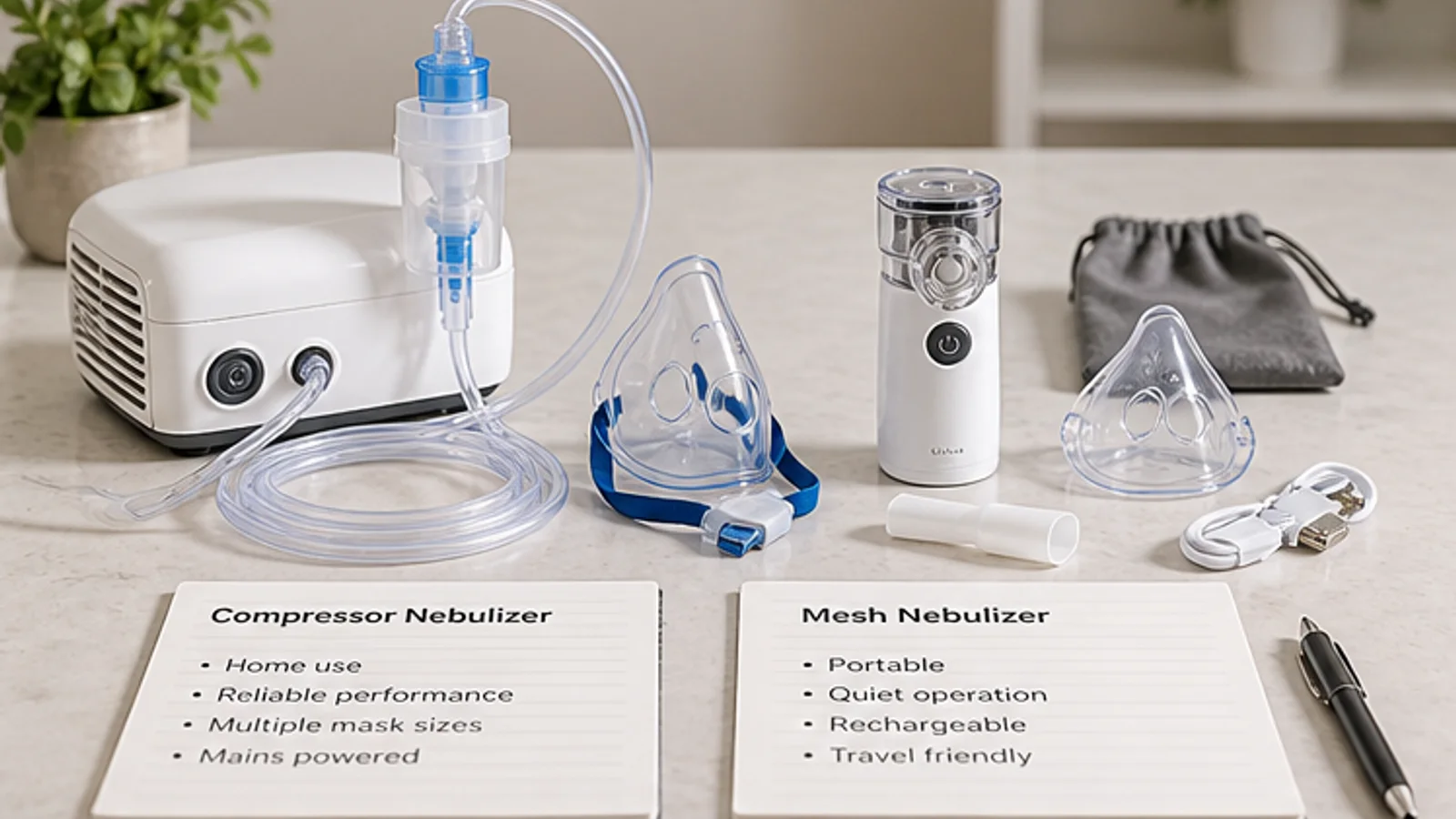
Where Compressor Nebulizers Often Fit
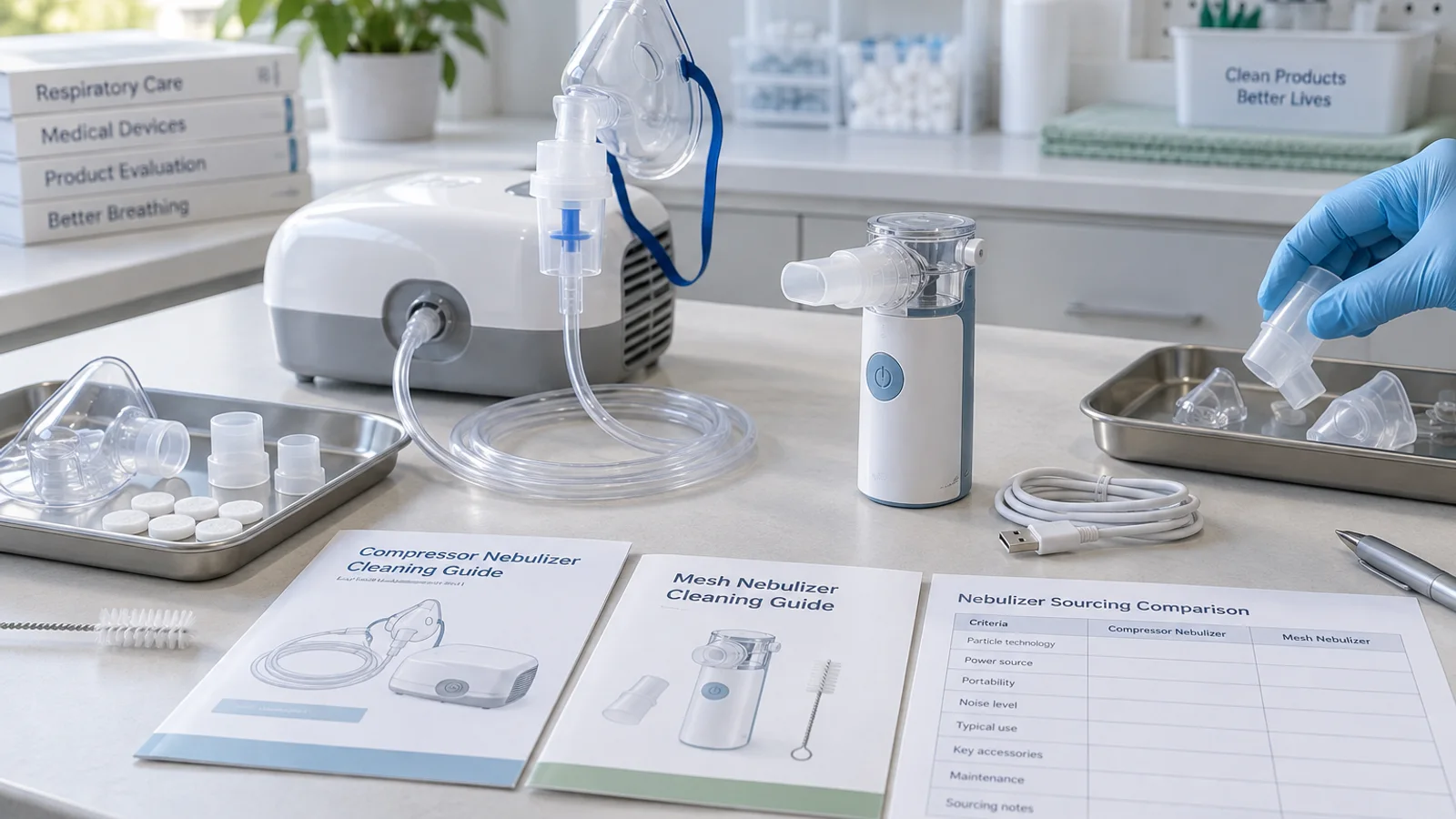
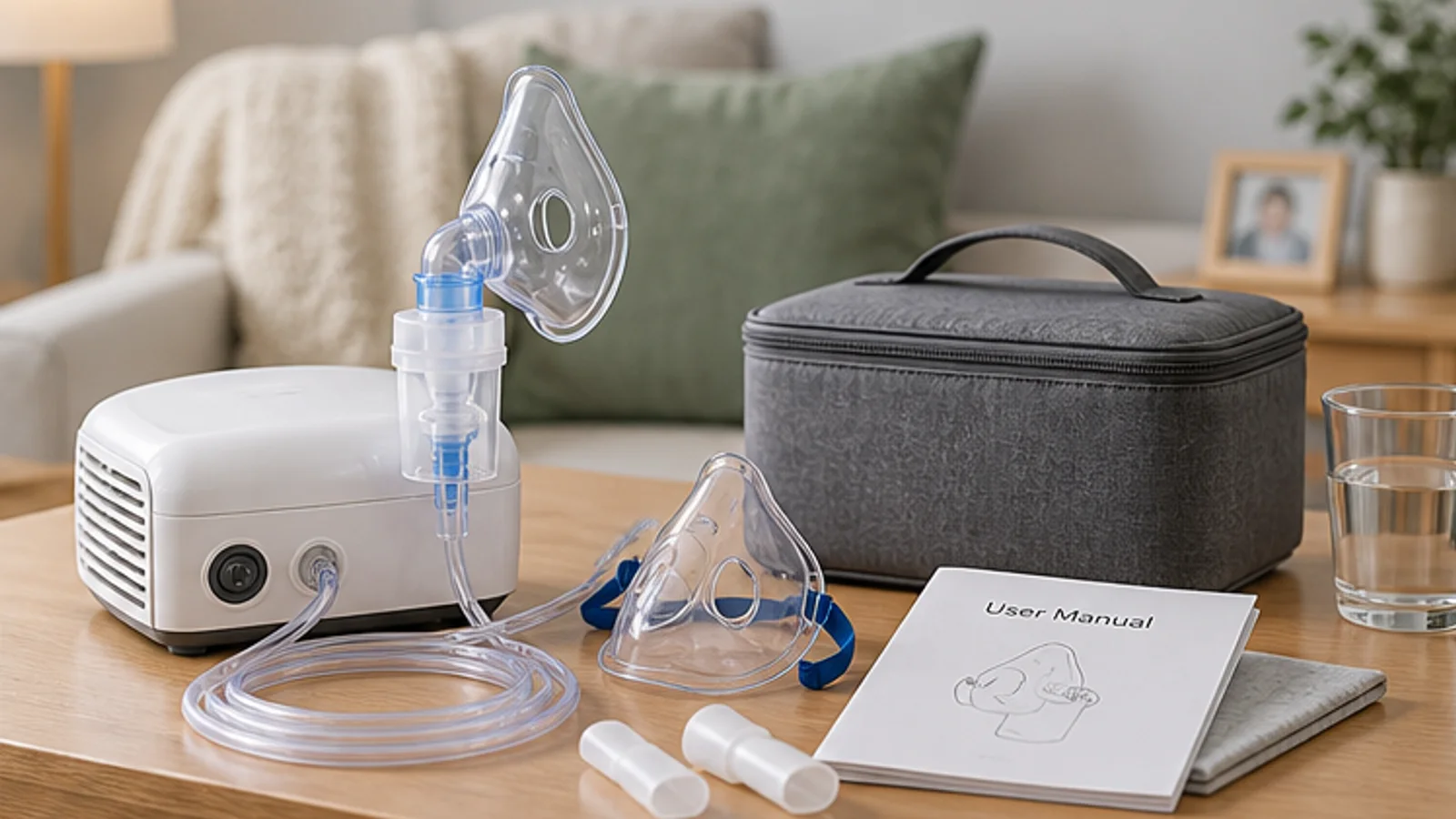
A compressor nebulizer is usually reviewed when buyers want a familiar home healthcare device with a clear tabletop format. The device body, medicine cup, tubing and mask or mouthpiece package should be checked as a complete user experience. Buyers should review whether the product presentation, accessory set and user manual are appropriate for the channel. For private-label projects, the packaging artwork, manual language and carton protection may become as important as the device appearance because they affect customer confidence at delivery and first use.
- Check whether the selected compressor nebulizer platform fits the channel's expected product size and accessory presentation.
- Review mask, cup, tubing and manual materials as part of the sourcing package.
- Confirm available OEM options by model instead of assuming all visual or accessory changes are standard.
| Review Area | Compressor Nebulizer | Mesh Nebulizer |
|---|---|---|
| Typical sourcing role | Home-use tabletop respiratory care platform | Compact or portable respiratory-care option |
| Buyer review focus | Accessory package, instruction clarity, carton protection | Portability, charging or battery discussion, cleaning guidance |
| Packaging priority | Clear accessory layout and protective carton design | Compact retail presentation and usage explanation |
| Project risk to discuss | Noise expectations, size and accessory completeness | Cleaning, handling and model-specific documentation |
Where Mesh Nebulizers Need Careful Review
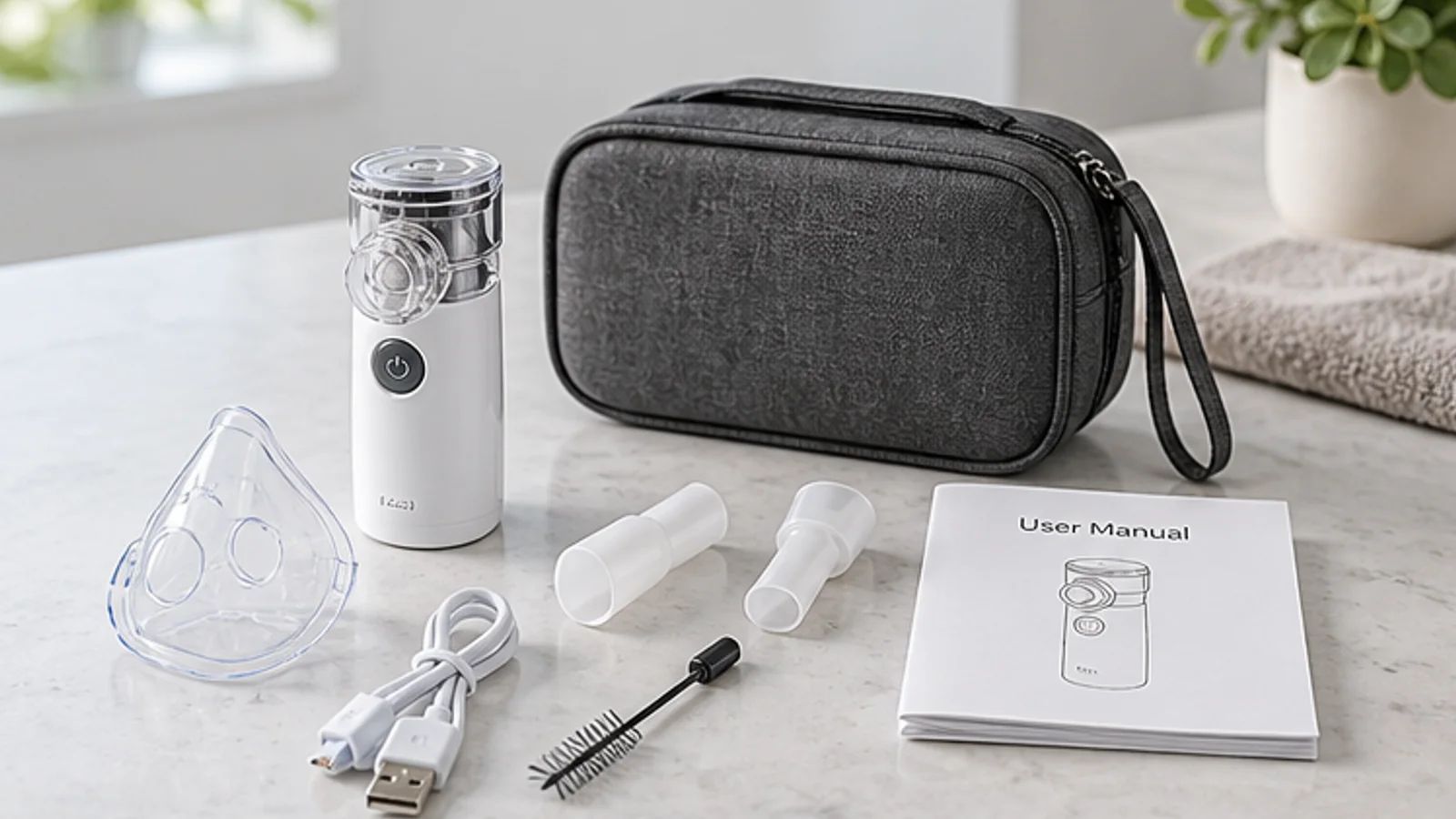
Mesh nebulizers can be attractive for buyers who want a compact product story, but sourcing teams should review the complete operating context before using portability as the main sales point. Cleaning instructions, power or battery format, replacement accessory discussion and user guidance need careful review by model. The buyer should also check whether the target channel can explain the product correctly. A compact product that is easy to carry can still create support issues if packaging, manual and after-sales communication are unclear.
- Review cleaning and handling instructions with the supplier before approving packaging language.
- Ask how replacement accessories or consumable parts are discussed for the selected model.
- Use sample review to check user workflow, not only external size.
Make The Comparison Useful For Procurement
A useful nebulizer comparison does not need broad technical ranking. It should show which product format fits which buyer objective, what documents are available, what sample questions remain open and what OEM materials need review. Buyers can ask the supplier to organize samples and documents in a side-by-side format covering product body, accessory set, packaging, manual and market discussion. This structure helps purchasing, marketing and compliance colleagues review the same evidence instead of debating broad product labels.
- Use one comparison table for product format, one for packaging and one for documentation.
- Record open questions from sample review before moving to artwork approval.
- Separate buyer preference from confirmed product capability and documentation.
Plan OEM Work Around The Selected Platform
After the buyer selects a product direction, the OEM review should become more specific. Packaging, logo placement, manual language, carton layout and product information should be checked against the chosen platform and target market. Buyers should avoid asking for a full custom product direction when a standard private-label platform may already support the channel goal. Conversely, if the project requires a different structure, accessory package or user interface, the buyer should move the discussion into ODM feasibility review instead of treating it as a simple packaging task.
- Use private label when the platform already fits the channel and the main work is brand material review.
- Use ODM discussion when the requested product direction changes structure, function or user operation.
- Keep documentation and sample approval tied to the final selected model.
A Strong Brief Makes Nebulizer Sourcing Faster To Review
For Linova-X nebulizer sourcing, the most useful brief includes target market, customer channel, desired product type, packaging expectations, estimated quantity and any document requirements already known to the buyer. That information helps the supplier review whether a compressor or mesh platform is more appropriate and what project items require confirmation. The final decision should be based on the fit between buyer channel, product workflow, document readiness and realistic OEM scope.
- Prepare the target channel and user scenario before requesting samples.
- Review product, accessory and document scope together.
- Use the comparison to choose a sourcing direction, not to make unverified product claims.
Useful Links For Sourcing Review
FAQ
Is a compressor nebulizer or mesh nebulizer better for private label?
The better option depends on target channel, user scenario, packaging plan and document requirements. Buyers should compare platforms through sample and document review rather than relying on a universal ranking.
What should be checked in a nebulizer sample review?
Review product body, accessory set, operation flow, cleaning guidance, packaging structure, manual language and available project documents for the selected model.
Can packaging be reviewed before final product selection?
Initial packaging direction can be discussed early, but final artwork, label and manual review should be tied to the confirmed product platform.
When should a nebulizer project move from OEM to ODM discussion?
If the buyer requests structural, functional or user-operation changes beyond available private-label support, the project should be reviewed as an ODM feasibility discussion.