Translate Aging In Place Into Channel Decisions
Population ageing is a durable planning context, but a demographic trend is not an assortment brief. The World Health Organization describes healthy ageing in terms of functional ability and the environments in which people live. For a distributor, that means the useful starting point is not a generic list of products for older people. It is a map of everyday tasks, purchasing routes and support expectations. A pharmacy buyer, home-care distributor, e-commerce team and community retailer may all address ageing-in-place needs, yet they require different presentation, education and replenishment systems. The assortment should therefore translate broad demand into specific channel jobs before product options are discussed.
- Start with the home routine or buyer task the channel is trying to support
- Define who chooses, purchases, explains and uses the product
- Separate a demographic signal from an unverified sales forecast
- Record which channel owns education, content and after-sale questions
Map The Decision Chain, Not Only The End User
An ageing-in-place purchase may involve an older adult, a family member, a pharmacist, a distributor representative, a home-care professional or an online shopper researching on someone else's behalf. Those roles affect how much explanation a listing needs, what a retail team must demonstrate and which questions reach customer service. Write the decision chain for each target channel. If the purchaser and user are different, make that visible. If a professional intermediary explains the product, identify the information that intermediary needs. This produces a more credible assortment logic than assuming every item is selected directly by one consumer. It also avoids framing older adults as a single, uniform group.
Use Context As A Planning Filter
Create a short set of contexts such as routine monitoring, seasonal respiratory support, temperature checks and specialist pressure-care conversations. These are planning labels, not medical claims. For each context, ask whether the channel can explain the product, maintain accurate content, present included items and route support questions. A category may be relevant to home healthcare while still being wrong for a particular channel if the required education or service model is missing. Context therefore becomes a filter: it helps the distributor decide which categories deserve an assortment role and which should remain outside the current range.
Build The Assortment Around Four Channel Roles
A practical aging-in-place product assortment needs a small number of roles that commercial, content and operations teams can understand. One category may attract the initial conversation; another may extend a familiar routine; a third may require more guided explanation; and a fourth may be reserved for specialist accounts. These roles are not rankings, verified best-seller claims or promises of market performance. They are internal planning devices. Linova-X currently displays blood pressure monitor, nebulizer, thermometer and medical mattress options, but availability on the website does not mean every category belongs in every channel or launch. Each role should be justified against the distributor's actual accounts and operating model.
- Routine role: fits a recurring, understandable home-health context
- Supporting role: adds a distinct adjacent use case
- Guided role: needs stronger explanation or staff support
- Specialist role: belongs with defined accounts and a separate review path
Keep Category Roles Independent From Individual Models
A category role should survive a change in model shortlist. If the strategy only makes sense because one sample looks attractive, the role is not yet defined. State the buyer need, channel task and information requirement first. Then review website-listed options such as AXD-808 as a blood pressure monitor reference, AXD-103 as a nebulizer reference and AXD-515 as a thermometer reference. Their inclusion illustrates category planning; it does not establish a recommendation, ranking, verified market fit or automatic document coverage. Model-specific suitability remains a separate project check.
Reject Categories That Only Add Catalog Width
A larger assortment can create more artwork, language, asset, support and data-maintenance work without improving the buyer proposition. Ask what new channel job a proposed category performs. If the answer repeats an existing role, keep it out of the active assortment until the gap is clearer. This test is especially important for distributors that serve several customer types: a category valued by specialist home-care accounts may not belong in a general e-commerce range, while an easy-to-explain retail item may not answer a professional account's procurement needs.
| Planning question | Routine role | Supporting role | Guided role | Specialist role |
|---|---|---|---|---|
| Primary channel job | Support an understandable recurring need | Extend a related category story | Enable a better-explained choice | Serve a defined account or care context |
| Buyer education | Clear essential information | Relationship to the main category | Structured comparison and staff guidance | Account-specific briefing |
| Content burden | Stable core attributes | Cross-category consistency | More visual and instructional support | Controlled specialist materials |
| Operational question | Can the channel support routine inquiries? | Does the category add a new job? | Who owns explanation and escalation? | Which accounts and owners are in scope? |
| Decision gate | Role and source information are clear | No duplication of an existing role | Support process is assigned | Separate scope and approval path exist |

Design Different Assortments For Pharmacy, Distribution And E-Commerce
Channel planning changes what a distributor must make visible. Pharmacy and healthcare retail environments may need a concise shelf story and staff-facing explanation. Distributor catalogs need accurate product identity, account segmentation and a clear route for document questions. E-commerce requires structured attributes, usable media, careful claims and support content that works without a salesperson beside the product. A single product identity can appear in more than one channel, but the assortment role and content package should be explicit. Do not assume that one page, one pack or one set of images automatically works everywhere.
- Define the assortment role separately for every active channel
- Preserve one approved product identity across channel presentations
- Plan staff education, digital content and inquiry routing by channel
- Keep channel variants controlled rather than informally duplicated
Pharmacy And Healthcare Retail Need A Teachable Range
A pharmacy assortment should be understandable to staff and shoppers without presenting the shelf as a clinical decision tool. Grouping, naming, packaging hierarchy and basic use context need to work together. The dedicated Linova-X pharmacy product-line guide covers that shelf-specific planning in detail; this article stays one level higher and asks whether pharmacy is the right channel role within a wider ageing-in-place strategy. When it is, record what staff need to explain, which questions require referral and how digital or printed information stays aligned with the approved source.
E-Commerce Needs A Complete Information Path
Online channels expose missing attributes quickly. A shopper may encounter a title, thumbnail, comparison filter, detail page, manual and support response as separate moments. The distributor should decide which categories can be represented accurately through that sequence. Do not compensate for missing source information with invented specifications, benefits or certification claims. If a product requires substantial guided interpretation that the channel cannot provide, assign it to a different role or delay it until the content and support system is ready.
Distributor Accounts Need Segmentation And Handoff Rules
A distributor serving pharmacies, retailers and home-care accounts should avoid a universal assortment deck. Segment accounts by the jobs they need the range to perform, then define a handoff for product, document and after-sale questions. This does not require a separate product identity for every account. It requires clear boundaries around which categories are presented, which information set accompanies them and who owns unresolved questions. The result is a portfolio that can expand without losing control of its source facts.

Plan Product Information, Packaging And Support As Part Of The Assortment
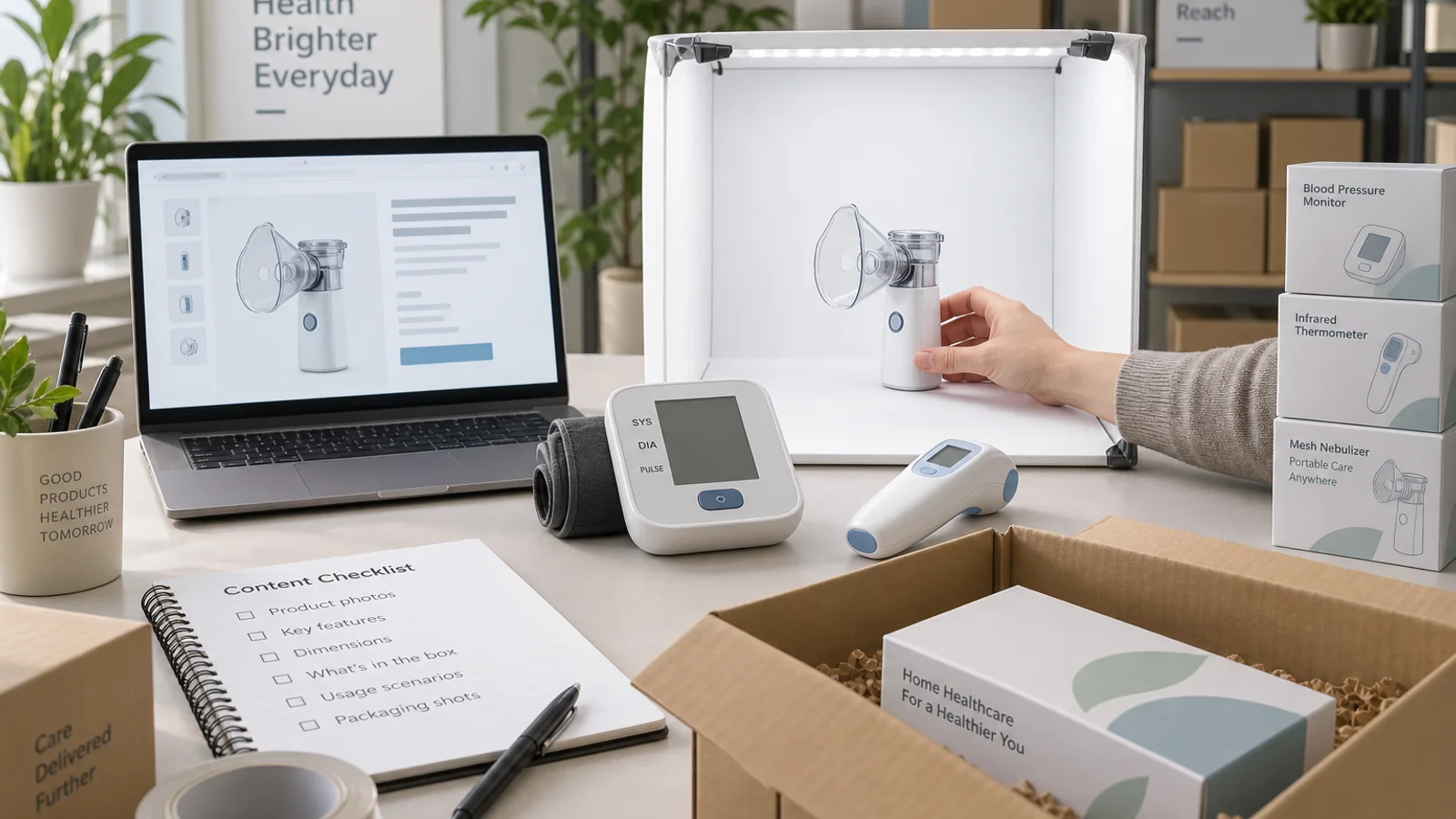
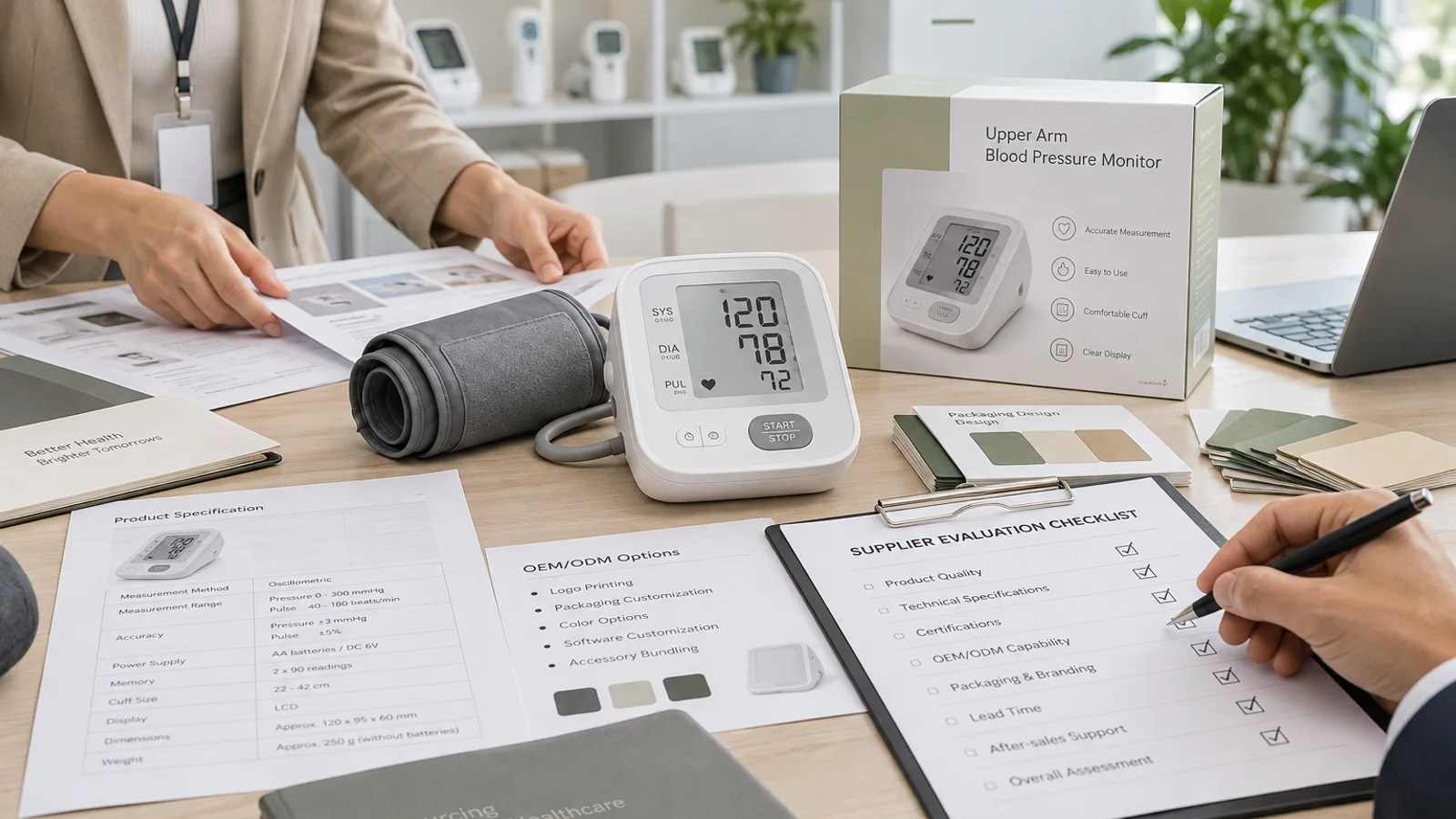
An assortment is not ready because samples have been placed on a table. Each category carries an information and support workload. Product names, model references, included items, packaging, labels, instructions, digital assets and available compliance files must remain connected to the correct option and destination. When shared manufacturing or certification materials are referenced, the original manufacturer, certificate holder, applicant or report subject must remain exactly as stated in the source. Applicability still needs review by model, scope, target market and validity. Linova-X can coordinate available materials and buyer questions, but it should not be described as the holder when the original file names Shenzhen AXD Electronic Co., Ltd. or another entity.
- Map each category to the information and asset set the channel needs
- Keep model, packaging, manual and supporting-file versions connected
- Preserve the real subject and scope of every certificate or report
- Assign ownership for product questions, content changes and escalation
Count The Maintenance Load Before Adding A Category
For every proposed category, list the product attributes, images, packaging files, manual languages, document questions and staff materials that must be created or maintained. Also list where the information will appear: internal catalog, distributor portal, pharmacy sheet, marketplace listing or support library. This workload is part of the assortment decision. It helps the team compare a category's channel purpose with the ongoing effort required to keep its information accurate, without inventing margin, volume or demand figures.
Build Accessible Explanation Without Stereotyping Users
Ageing-in-place content should use clear language, legible structure and respectful images. Avoid portraying every older person as frail or dependent. Show realistic homes, family participation and professional support where relevant, while keeping product claims within confirmed source material. The same principle applies to customer service: prepare explanations around setup, included items, information location and escalation rather than making medical recommendations. A respectful information design supports more users and gives channel partners a safer basis for communication.
Review The Assortment With A Channel-Readiness Gate
Before adding an ageing-in-place category to an active range, run a cross-functional review. Commercial owners should confirm the channel job and target account. Product owners should confirm model identity and included items. Content owners should confirm the source of attributes and images. Packaging and document owners should identify the versions under review. Support teams should know where ordinary questions end and where specialist or compliance review begins. The gate should produce an explicit decision—active, revise, pilot with defined limits or defer—rather than a vague intention to list everything later.
- Confirm the channel job and account group
- Verify the source for product identity and customer-facing information
- Name the owner for content, packaging, documents and support
- Record an active, revise, limited-pilot or defer decision
Use Evidence Without Turning It Into A Demand Claim
WHO, United Nations and OECD publications help explain why ageing, functional ability and home- and community-based support deserve long-term attention. They do not prove that a particular device, model or channel will sell at a particular rate. Use population and care-system evidence to frame the planning problem, then rely on the distributor's own account knowledge, research and controlled tests for commercial decisions. Keep any forecast outside the article unless it has a documented method and source.
Make The Next Action A Channel Brief
End the review with a short channel brief: target account, decision chain, home context, category role, approved source information, content package, support owner and open questions. If several categories are approved, the separate phased-portfolio guide can help sequence launch, expansion and optimization. This article should not replace that roadmap. Its job is to decide what an ageing-in-place assortment needs to do for a channel before the portfolio is sequenced or supplier outreach begins.

Useful Links For Sourcing Review
FAQ
What is an aging-in-place product assortment?
It is a channel-specific range planned around home routines, decision makers, information needs and support ownership. It is not a universal list of products for all older adults, and it should not be treated as a verified sales ranking.
Should every home healthcare category be included?
No. Include a category only when it has a distinct channel role and the team can maintain its product information, content, packaging questions and support path. Defer categories that only add catalog width.
Can one product appear in pharmacy and e-commerce channels?
Potentially, but the distributor should preserve one verified product identity while defining the role, content package, presentation and support process for each channel. Model and market suitability still require project-specific review.
Does population ageing prove demand for a specific model?
No. Demographic evidence frames a long-term planning context. It does not prove model-level demand, sales, margin or channel performance. Those decisions need the distributor's own evidence and controlled commercial review.